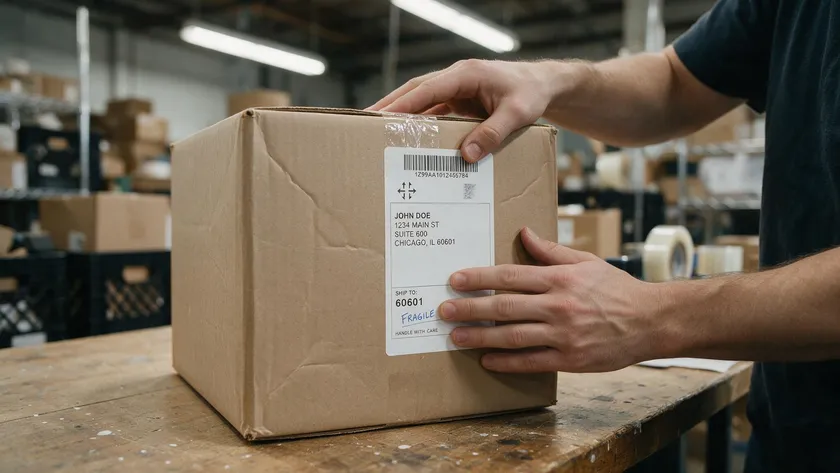
Every return starts with one small piece of paper—the return label. This guide explains what it is, the different ways stores hand them out, and how to create one step by step.
Table of Contents
- What Is a Return Label?
- Why Return Labels Matter for Online Stores and Customers
- Core Elements of a Return Label
- Types of Return Labels and How Customers Receive Them
- How to Create a Return Label (Step by Step)
- Using Return Labels: Packaging, Drop‑Off, and Tracking
- Best Practices for Return Labels and Return Policies
- Key Takeaways
- FAQs: Return Labels and Return Shipments
What Is a Return Label?
A return label is essentially a specific type of shipping label created for return shipments. It is used for sending items back to the sender—typically an online store or warehouse.
The label identifies the merchant’s returns center as the recipient and the customer as the sender, which is why return labels often resemble standard package labels but are reversed in addresses.
Return labels typically include sender and recipient addresses along with shipment details like service type and a tracking number. They are usually adhesive or printable paper attached to the outside of the return package, replacing any outbound label from the original shipment.
Return labels are often pre-determined and printed by the seller in advance, though many are now generated on demand.
These labels can be prepaid (merchant covers postage) or unpaid (customers pay at the counter). They may also be service-specific—for example, USPS Ground Advantage return or priority mail return—and can be time-limited.
Return labels may be emailed as PDFs or QR codes, downloaded from a portal, or included as a paper insert in the box. Return labels are typically pre-determined and included with shipments, but the method varies by retailer.
Why Return Labels Matter for Online Stores and Customers

Return labels help streamline the return process for customers, removing guesswork from returning items. According to DHL’s 2025 returns landscape report, 55% of global shoppers mainly buy from retailers that offer free returns. When the return process is hassle-free, shoppers complete more purchases and leave better reviews.
Return labels also facilitate easy exchanges or refunds for defective or incorrect items. Including prepaid return labels can reduce customer hassle, which directly builds customer loyalty and drives repeat business.
A return label improves operational efficiency by speeding up the warehouse receiving process, since staff can scan and match merchandise to orders instantly.
On the cost and control side, return labels remove the need for customers to manually calculate shipping costs. They also enhance traceability by allowing tracking of the package until it reaches the return center.
Clear labeling cuts down on lost shipments, misrouted parcels, and disputes with carriers—protecting margins on return services for any business selling online.
Core Elements of a Return Label
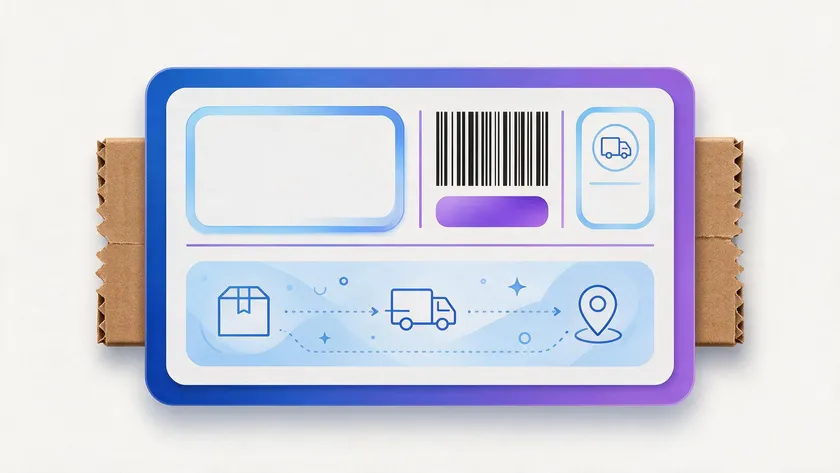
Every return label carries specific return label details that carriers use for routing and billing. Here are the typical elements:
| Return address | The merchant’s warehouse or returns center |
| Ship-from address | The customer sending the return package |
| Tracking number | A unique barcode-encoded identifier |
| Service type | Return service class (e.g., USPS Priority Mail Return, UPS, FedEx Ground Return) |
| Order references | Order ID, RMA, or internal routing codes |
Return labels typically feature a barcode or tracking number that enables automated sorting. Carriers like USPS, UPS, and FedEx each impose formatting rules covering barcode placement, service logos, and zone markings. Many online stores add brand logos and return authorization numbers. Some modern labels also include QR codes for easy processing, supporting no-printer drop-off flows.
Types of Return Labels and How Customers Receive Them
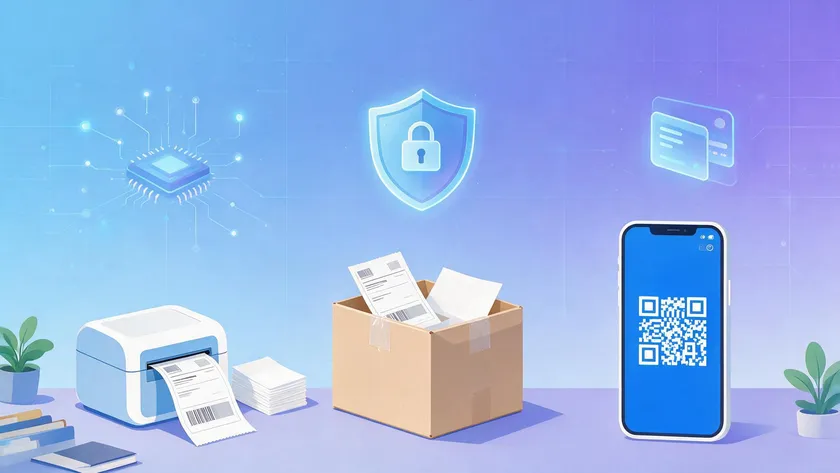
Merchants can distribute return labels in different ways, and each method changes the customer’s steps and the merchant’s cost. There are three options most businesses choose from.
You can create return labels via online platforms, and customers can obtain return labels via online store portals. Some stores include printed return labels in the original shipment, while others send them digitally.
QR codes can be used for no-label returns at drop-off locations. Customers can initiate returns through an online portal, submit a return request, and receive their label by email or through their account page.
Digital / Print‑at‑Home Return Labels
The customer receives a PDF by email or through the store’s returns portal, then uses a printer to print and tape the return shipping label onto the original package or a new box. Return labels can be emailed and are active for 24 hours in many cases—return labels are typically valid for 24 hours after creation, so customers should act quickly.
This method is convenient and low cost for the merchant. It offers instant delivery, easy automation, and compatibility with most carriers. The drawback is that some customers lack a printer or ink, and misprints can cause scan failures at sorting centers.
Prepaid Return Label in the Original Package
Here, the merchant prints a prepaid return label at the same time as the outgoing label and places it inside the carton. You can include prepaid return labels in original shipments, often alongside a return slip with reason codes. Prepaid return labels are provided by retailers who cover shipping costs up front.
Customers simply reseal the box, apply the prepaid label, and drop the parcel at the specified shipping carrier—no need to contact support. The trade-off: prepaid labels incur costs only if used by customers, but unused labels still represent waste. The label must clearly note which carrier and service is valid.
QR Code and “No‑Label” Return Options
Some carriers now let customers show a QR code on their phone at a drop-off point, where staff scan it and print the physical label on demand. QR codes allow no-label returns at participating locations, and QR code returns may save costs on printed labels.
This supports no-box flows where the customer hands over only the item. Amazon has expanded this model to over 10,000 U.S. locations. Note that coverage depends on country and carrier, and some services charge an additional fee. Merchants must configure QR options carefully in their return portal.
How to Create a Return Label (Step by Step)
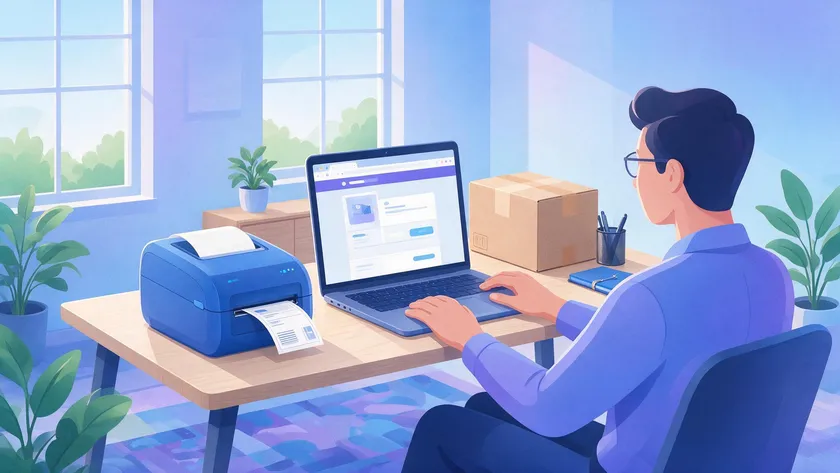
Creating return labels works for both small merchants and larger online stores. You can generate labels manually on carrier websites or automatically via shipping software.
Manual process
Log into your chosen carrier’s portal—for example, the USPS Merchant Returns Application, UPS, or FedEx. Sign into your account, select a return service such as Priority Mail Return, and enter the return address (your warehouse). Then specify the package dimensions and weight.
Add references like order number or RMA so the warehouse can match the return shipment to the original order. Many merchants standardize this with an RMA form attached to the return slip. Return shipping costs depend on carrier and package weight, so select the correct service to save on postage.
Automated process
Inside e-commerce or fulfillment platforms, return labels can be generated from order history and sent by email or as a QR code in one click. This method is far more convenient at scale. Be aware that label expiration varies—USPS labels can stay valid up to one year, while many FedEx labels expire in about 14 days.
Using Return Labels: Packaging, Drop‑Off, and Tracking
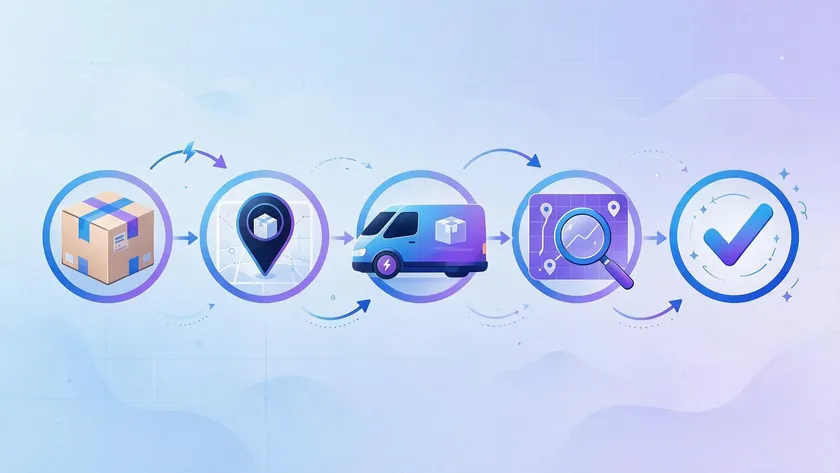
A correct return label is only one part of a successful return. How customers prepare and ship the return package matters just as much.
Reuse the original package where possible. Remove or cover old barcodes to avoid scan confusion, protect fragile items with cushioning, and insert any required return slip. Return labels must be securely attached to the package for proper routing—tape all edges firmly.
Drop-off options in 2024–2026 include carrier retail counters, parcel shops, drop boxes, and scheduled pickups. The available method depends on the label’s carrier and service type. For QR-based returns, customers visit a participating location where staff handles printing.
Tracking numbers printed on the return label or embedded in a QR code let both merchant and customer track the parcel’s journey back. This visibility helps the retailer process refunds faster and gives the customer peace of mind.
Best Practices for Return Labels and Return Policies
Return labels, policies, and communication together form the backbone of a modern return process. Getting them right can make or break an online store’s reputation. Following a few established best practices can help reduce customer friction, improve operational efficiency, and create a more consistent returns experience.
- Publish a clear, dated return policy page explaining who will pay for return shipping, the return window, and whether prepaid return labels are offered. Retailers’ return policies affect whether return shipping is free or deducted from refunds, and customers are responsible for purchasing shipping when customer-paid return labels are used.
- Businesses can choose to charge customers for return shipping cost or absorb them—this is a strategic decision every brand must make.
- Use standardized reason codes on return slips or online forms. This data helps you refer back to common issues—sizing problems, inaccurate photos, defects—and address root causes to reduce future returns.
- Test different approaches: free return shipping over a certain order value, loyalty-program-only free labels, or discounted carrier services. Review your label options and return policy annually to keep up with new carrier return services and evolving customer expectations.
Implementing these best practices helps create a return process that is transparent, efficient, and easier for both customers and your team to manage. As your business grows, revisit your return procedures regularly to ensure they continue to meet customer expectations and operational needs.
Key Takeaways
- A return label is a shipping label that lets customers send a return package back to the retailer, complete with addresses, barcodes, and tracking. It is the practical tool that makes every return shipment possible and trackable.
- Return labels can be emailed, included in the original package, or generated with a QR code at a drop-off point. Each option impacts convenience and cost differently, so merchants should decide based on their customer base and return volume.
- Different carriers like USPS (Priority Mail Return), UPS, and FedEx each have their own label requirements, deadlines, and tracking formats. Always refer to your carrier’s current guidelines.
- Offering easy access to prepaid return labels or QR-code returns is now a standard expectation for online shoppers and directly affects customer loyalty and repeat purchases.
- Clear instructions on using the label, preparing the original package, and choosing a drop-off location prevent delays and disputes. This label guide should be part of every store’s customer communication.
A return label gets the package back to you—but it doesn’t define who pays for shipping, your return window, or what’s eligible. Try Termify’s Return and Refund Policy Generator now!
FAQs: Return Labels and Return Shipments
Below are answers to common practical questions about return labels not fully covered above.
Can I return a package without a prepaid return label?
Yes. Customers can usually still return items by contacting the online store, generating a new label via the returns portal, or paying their own postage at a post office or carrier shop. Return labels can be emailed directly to customers upon a new return request.
If you pay out of pocket, keep the receipt and tracking number. Whether you get reimbursed depends on the store’s policy—some retailers only cover return shipping for defective merchandise.
What if I lose or damage my return label?
Log into your account or check your email history to access and reprint the label. Most online stores let you generate a replacement through their returns portal. If the original label has already been scanned or has passed its expiration date, contact customer support—they can create a fresh one with a new tracking number.
Can I use a different box or envelope than the original package?
Most return services allow a different box, as long as the packaging is sturdy and the dimensions and weight still fall within what the return label covers. If the new box is significantly larger or heavier, the carrier may charge extra or refuse the shipment, so follow any size limits stated by the online store or printed on the label.