This guide gives you a copy-ready online store privacy policy plus a clause-by-clause breakdown of what each section must say and what you need to customize. The sample policy works for Shopify, WooCommerce, BigCommerce, and custom stores that sell their own inventory.
The article explains how you collect personal information, how data processing works, and how to handle guest checkout vs. customer registration. One practical data-map table (data type | purpose | shared with | retention) is included for you to adapt to your store’s actual tools and vendors.
This is an example structure only, not professional legal advice. Complex cases or multi-country operations should be reviewed with counsel.
Table of Contents
- How to Use This Online Store Privacy Policy Guide
- Sample Online Store Privacy Policy: Copy-Ready Template
- Data Controller, Store Identity, and Contact Details
- Scope of the Online Store Privacy Policy
- What Personal Data We Collect From Store Visitors and Customers
- How We Collect Data: Direct, Automatic, and Third-Party Sources
- Why We Collect Personal Information and How We Use It
- Data Collection and Processing Map
- Guest Checkout vs Customer Registration
- Payment Information and Third-Party Payment Processors
- Shipping, Delivery Partners, and Returns Data
- Marketing, Abandoned-Cart Emails, and SMS Consent
- Analytics, Cookies, Pixels, and Online Tracking Technologies
- How We Share Data With Service Providers and Partners
- Fraud Prevention, Security, and Automated Decision Making
- Product Reviews, User Content, and Loyalty or Referral Programs
- Customer Support, Live Chat, and Communication Records
- Data Retention: How Long We Keep Your Information
- International Data Transfers and GDPR-Oriented Notes
- California and Other US State Privacy Disclosures
- Your Privacy Rights and How to Exercise Them
- Children’s Privacy and Age Limits
- Business Transfers and Changes of Ownership
- How and Where to Publish Your Online Store Privacy Policy
- Updates to This Online Store Privacy Policy
- Key Takeaways
- FAQ
- Do guest checkout customers have the same privacy rights as account holders?
- Do I need to name Google Analytics, Meta Pixel, and other trackers in my store’s privacy policy?
- Do I need consent before sending abandoned-cart emails or SMS marketing?
- Where should I link my privacy policy during checkout and sign-up?
- What’s the difference between a general data privacy policy and an online store privacy policy?
How to Use This Online Store Privacy Policy Guide
Below you’ll find a full sample privacy policy for an ecommerce store, followed by a clause-by-clause guide explaining what to adapt. The sample fits stores selling their own products on any platform.
If you run a dropshipping operation with third-party suppliers, see the dedicated privacy policy for dropshipping guide instead.
Start by scanning the sample wording to understand the overall structure. Then read each clause explanation to customize data collection, data processing, data retention periods, and third-party disclosures to match your actual tools and practices.
The policy is written in plain US English, suitable for customers in the US, the European Union, the UK, and other major markets with basic adjustments.
Who This Privacy Policy Ecommerce Template Is For
This ecommerce privacy policy template suits small-to-mid-size online retailers selling their own inventory via Shopify, WooCommerce, BigCommerce, Squarespace, Wix, or a custom-built storefront.
- Typical data flows covered: browsing and cookie data, customer registration data, order and checkout data, payment tokens from third-party payment processors, shipping details, and support tickets.
- Standard third parties assumed: a mainstream payment gateway, a mainstream email marketing tool, common ad pixels, and a review app. Placeholders let you swap in specific vendor names.
- Multi-jurisdiction reach: if your store targets the EU/UK, also read the GDPR compliant privacy policy guide. If you serve California residents, consult the California privacy policy template resource for state-specific clauses.
Treat these as defaults, not limits. If your store uses tools that are not listed here, add them to the sample before you publish.
If you run a very small shop with a lean team, our privacy policy for small business guide explains which parts you can keep simple.
Sample Online Store Privacy Policy: Copy-Ready Template

Below is a sample privacy policy for an online store. Replace every bracketed placeholder with your own store details. This is an example structure, not legal advice—adapt it to your jurisdiction and actual data practices.
Online Store Privacy Policy
Effective date: November 1, 2026 | Last updated: November 1, 2026
1. Who we are. “[Store Name] ([Legal Entity Name], located at [Street Address, City, State, ZIP, Country]) operates the website [URL] and related services online. This online store privacy policy explains how we collect, use, share, and protect personal data when you visit our site, create an account, or place an order.”
2. What data we collect. “We collect information you provide directly—such as your name, email address, physical address, phone number, and payment information—and data collected automatically, including your IP address, browser type, location data, device identifiers, pages viewed, and cookies or similar tracking technologies.”
3. How we collect data. “We collect personal information when you register for an account, complete a guest checkout, subscribe to our newsletter, submit a product review, contact support, or enroll in our loyalty program. We also automatically collect browsing data through cookies, pixels, and log files.”
4. Why we use your data. “We process personal data to fulfill orders, manage user accounts, provide customer service, handle returns and refunds, send marketing communications you have opted into, detect fraud, improve our website, and meet legal requirements.”
5. Guest checkout vs accounts. “You may check out as a guest or create an account. Guests provide the minimum data needed to process an order. Registered customers can save addresses, view order history, and manage preferences.”
6. Payment processing. “We do not store full credit card numbers or CVV codes. Payment processing is handled by PCI-DSS-compliant providers. We retain only the card brand, last four digits, expiration month/year, and a transaction ID.”
7. Shipping and returns. “We share your name, shipping address, and phone number with our delivery partners to fulfill orders. Returns data—including reason for return and refund details—are retained alongside the original order record.”
8. Marketing and SMS. “We send marketing communications only with your consent or where a clear opt-out is available. You may unsubscribe from emails at any time. SMS marketing requires your explicit opt-in; reply STOP to cancel.”
9. Cookies, pixels, and analytics. “We use Google Analytics, Meta Pixel, and other analytics services to measure traffic and improve our store. You can manage cookie preferences through your browser settings or our cookie settings link.”
10. Third-party sharing. “We share personal data with service providers that help us operate—including our payment gateway, email platform, shipping carriers, review platform, and helpdesk tool. We do not sell your personal information except as may be defined under certain privacy laws (see Section 13).”
11. Security. “We use HTTPS encryption, password hashing, restricted access controls, and regular security reviews to protect personal data. No method is 100% secure, but we apply reasonable security measures.”
12. Data retention. “Order records are retained for seven years for tax compliance. Account data is kept while active and deleted within 60 days after closure. Analytics identifiers are removed after the retention window configured in each tool. Marketing data is kept until you unsubscribe.”
13. California and US state rights. “California residents may request access, deletion, or opt out of the sale or sharing of personal information. We honor ‘Do Not Sell or Share My Personal Information’ requests.”
14. International transfers. “Your data may be stored on servers in the United States. For EU/EEA and UK customers, we use Standard Contractual Clauses or equivalent safeguards.”
15. Children. “Our store is not directed to children under 13. We do not knowingly collect personally identifiable information from minors. If we learn we have collected such data, we will delete it promptly.”
16. Your rights. “Depending on applicable privacy laws, you may request access to, correction of, deletion of, or portability of your personal data. Email [your privacy email address] with your request. We respond within the time limit the applicable law allows.”
17. Changes. “We may update this online store privacy policy when we add features, change vendors, or when privacy laws evolve. Material changes will be communicated by email or site notice.”
18. Contact us.” [Store Name], [Address]. Email: [your privacy email address].”
Data Controller, Store Identity, and Contact Details
Your policy must identify the data controller—the entity that decides why and how it processes personal data. Include:
- The store’s full legal name (e.g., “BrightLane Outfitters LLC”).
- A physical address including city, state, ZIP, and country.
- A main contact email dedicated to privacy inquiries.
- Whether the store owner acts as data controller and whether a data protection officer or privacy contact has been appointed.
- The primary operating country, with a note that the store may serve customers globally.
What to adapt: swap in your real entity name, registered address, and a monitored email. If you serve EU customers and meet the threshold for appointing a data protection officer, name that person or role here.
Scope of the Online Store Privacy Policy
Define every channel the policy covers: your website, mobile site, mobile apps, customer support interactions, and in-store pickups if you offer them.
The scope should apply to both website visitors who only browse and customers who place orders through customer registration or guest checkout.
If you sell through connected channels like an Instagram Shop or Facebook Shop, state that the same policy applies. For third-party sites and marketplaces such as Amazon or Etsy, note that those platforms have their own privacy rules that also govern transactions made there.
What to adapt: list only the channels you actually operate. Remove references to mobile apps or social storefronts you don’t use.
What Personal Data We Collect From Store Visitors and Customers
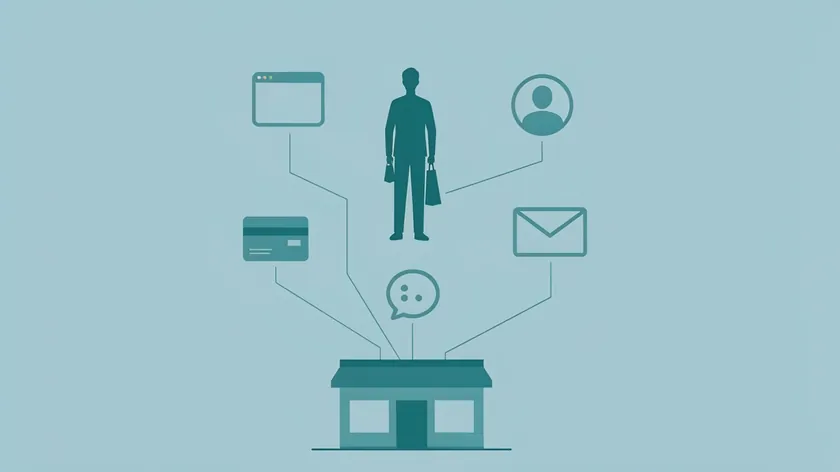
Your privacy policy must specify the types of data collected. This section should list them concretely. Personal data includes names, email addresses, and payment information—but the full picture is broader.
Include a note that you do not collect sensitive personal data like health records or government ID numbers unless truly needed for a specific product or service.
Device and Browsing Data
- IP address, browser type and version, operating system, time zone
- Pages viewed, referring URLs, session duration, click paths
- Cookies, pixels, and device identifiers
- Location data derived from IP or device settings
Most of this data is collected automatically by your platform and analytics scripts, so check your own settings before you list it.
Customer Registration Data
- Full name, email address, phone number
- Password hash (never stored in plain text)
- Saved shipping and billing addresses
- Preferences, wishlists, loyalty or referral codes
List only the fields your sign-up form actually asks for.
Guest Checkout Data
- Name, shipping and billing address, email, phone number
- Ordered products, quantities, transaction total, tax amount, shipping method
This is the minimum your store needs to fulfill an order, so keep the list as short as your checkout form.
Payment-Related Data
- Card brand and last four digits, expiration month/year
- Payment token or transaction ID from the payment gateway
- The store does not store full card numbers or CVV codes
Your payment gateway handles the sensitive card details, which is why only these limited fields reach your own records.
Marketing and Communications Data
- Newsletter opt-in status and date
- Abandoned-cart email triggers
- SMS consent records and timestamps
- Unsubscribe and suppression history
Keep a record of when and how each person opted in, since you may need to show it later.
User-Generated Content and Support Data
- Product reviews, Q&A submissions, uploaded photos
- Support emails, live chat transcripts, support ticket details
Reviews and chat logs can contain personal details that customers type themselves, so cover how long you keep them in the retention section.
How We Collect Data: Direct, Automatic, and Third-Party Sources
This section should inform users exactly how the store gathers each category of data. Connect “collect personal information” and “collect information” language to specific user actions and tools.
Direct Collection
You collect data directly when customers fill out checkout forms, create accounts, submit contact or returns requests, post product reviews, or enroll in a loyalty or referral program. Every form that captures personally identifiable information should link to your policy.
Automatic Collection
Your site and its scripts automatically collect data through cookies, pixels, server log files, and analytics tags. This includes automatically collected information such as IP address, device type, and browsing behavior.
Privacy policies must disclose data collection methods like cookies—so name the technologies in use.
Collection From Third Parties
You also receive data from third-party service providers: your payment gateway sends transaction confirmations, shipping carriers return tracking updates, and fraud screening tools supply risk scores.
If a marketing platform enriches your customer list with demographic data, disclose that here as well.
Why We Collect Personal Information and How We Use It
Your policy should explain why you collect personal data, mapping each purpose to a concrete ecommerce use case.
- Order fulfillment: processing orders, printing shipping labels, sending order confirmations and tracking updates.
- Account management: maintaining user accounts, storing order history, managing saved addresses and preferences.
- Customer service: resolving support tickets, processing returns and refunds, documenting warranty claims.
- Site optimization: analyzing on-site behavior to improve navigation, product pages, and page load speed; detecting bugs.
- Marketing: sending newsletters, abandoned-cart reminders, promotional SMS or emails, and delivering targeted advertising through ad platforms—only where consent or a clear opt-out exists.
- Security and fraud: screening orders for fraud risk using automated decision making tools, rate-limiting abusive traffic, and protecting accounts with verification steps.
- Legal and compliance: maintaining tax records, honoring opt-outs, responding to legal requests, and enforcing terms of sale as required by legal obligation.
Policies must detail how users can opt out of non-essential data uses such as marketing and targeted advertising. Make sure every listed purpose ties back to data you actually collect.
Data Collection and Processing Map
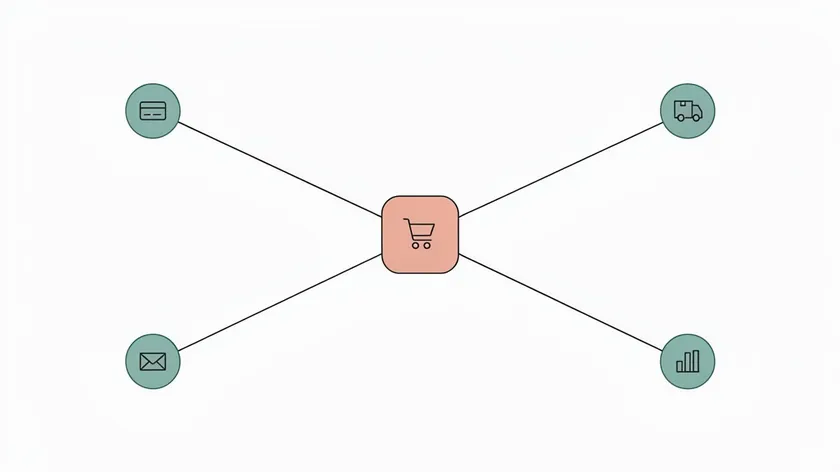
The table below summarizes the main categories of data collected, their purpose, who receives them, and how long they are typically stored. Adapt each row to match your actual vendors and local legal requirements.
| Data Type | Purpose | Shared With | Typical Retention |
|---|---|---|---|
| Order & transaction details (name, items, address, total) | Fulfillment, tax records, refunds | Payment gateway, shipping carrier, tax service | 5–7 years (per tax law) |
| Customer account data (email, password hash, saved addresses) | Login, repeat purchases, personalization | Email marketing platform (for communications) | Active account + 60 days post-closure |
| Browsing & analytics data (IP, pages, device info) | Traffic analysis, UX improvements | Google Analytics, ad platforms | 2–14 months per tool config |
| Marketing contact info & consent logs | Newsletters, abandoned-cart emails, SMS promos | Email/SMS provider | Until unsubscribe; suppression list kept longer |
| Product reviews & user-generated content | Social proof, product pages | Review platform (if used); public display on site | Indefinite display; personal info limited to first name/city |
| Support tickets & live chat logs | Issue resolution, quality improvement | Helpdesk / chat tool (processor) | 2 years after last interaction |
Privacy policies must clearly state retention periods for personal data. Adjust every retention window to reflect your own tools and the privacy laws applicable to your market.
Guest Checkout vs Customer Registration
Customers can buy from your store with or without an account, and each path collects a different amount of data. The sections below show how guest checkout and registration differ so your policy describes both accurately.
Guest Checkout
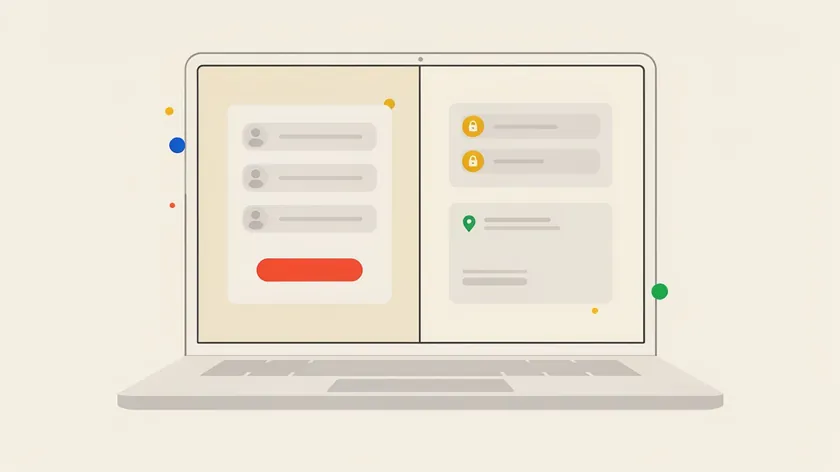
Guest checkout captures the minimum data needed to fulfill an order: name, address, email, phone, and payment token. No login credentials are saved, and non-essential data like browsing history is not tied to a persistent profile. Retention is limited to legal and accounting needs.
Keeping this option open also protects sales: in Baymard Institute’s checkout research, 18% of US online shoppers said they had abandoned a cart because the site wanted them to create an account.
Customer Accounts
Registered customers provide additional data—order history, saved addresses, wishlists, loyalty balances, and communication preferences. This data is retained as long as the account remains active. Users can log in to update or delete their own data at any time.
User Choices
Some stores allow guests to convert an order into a full account later. Registered users can close their account, triggering deletion or anonymization of non-essential data within the stated retention window.
Privacy rights—including the right to submit a data subject access request—apply equally to guests and account holders. Instructions for submitting requests appear in the “Your Privacy Rights” section.
Payment Information and Third-Party Payment Processors
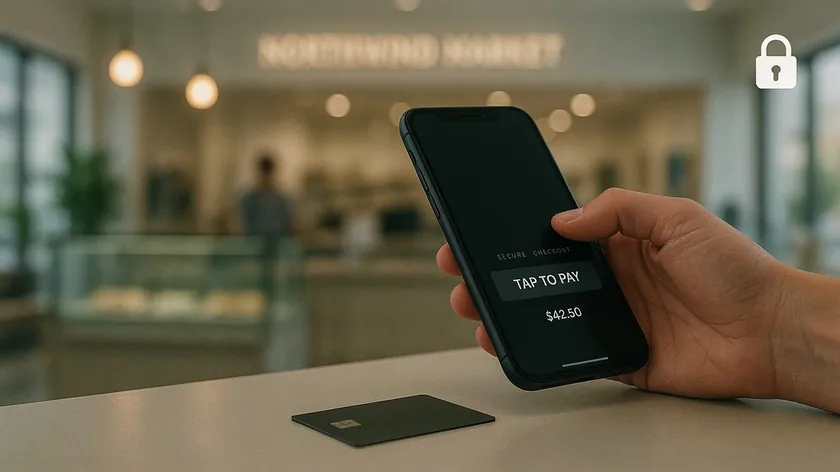
This section reassures customers about payment processing and clarifies what the store does and does not keep. Trust matters here: Baymard found that 19% of US online shoppers have abandoned a cart because they did not trust the site with their credit card information (Baymard Institute).
- Card numbers and CVV codes are collected and processed by PCI-DSS compliant payment providers and are not stored on the store’s own servers. The store retains only the card brand, last four digits, expiration month/year, transaction IDs, and billing address for receipts and fraud checks.
- Digital wallets and buy-now-pay-later services operate as separate data controllers. Customers should review each provider’s privacy notice to understand how their payment information is handled.
- Payment tokens—not raw card data—link transactions to your order management system, reducing the risk of data theft.
What to adapt: replace the generic “payment gateway” placeholder with your actual provider and link to its privacy policy.
Shipping, Delivery Partners, and Returns Data

When you ship an order, you share personal data with national and international parcel carriers: recipient name, shipping address, phone number, and sometimes a package contents description for customs declarations.
- Tracking numbers and delivery confirmations are stored in the customer’s order history for reference and dispute resolution.
- Returns and refunds generate additional data: reason for return, photos of damaged items, and bank or wallet details for processing refunds.
- Returns data is retained alongside the original order record for the same period (typically five to seven years for accounting purposes).
For guidance on structuring your store’s returns process, see the return policy for small business guide.
Marketing, Abandoned-Cart Emails, and SMS Consent
Marketing communications are optional and separate from essential transactional emails like order confirmations and shipping updates.
Email Marketing Lists
Email addresses are collected via checkout opt-in checkboxes, standalone newsletter forms, and account signup pages.
Each address is stored in your email marketing platform along with the date and source of consent. Suppression records are maintained even after unsubscribe so you don’t accidentally re-contact someone.
Abandoned-Cart Emails
Abandoned-cart workflows trigger when a visitor adds items to the cart and provides an email but does not complete checkout. The workflow uses cart contents and email address.
Baymard Institute’s average across 50 studies puts online cart abandonment at 70.22%, which is why these reminders are so common and why their consent rules matter. Customers can opt out of these reminders through the unsubscribe link in any abandoned-cart email.
SMS Consent
SMS marketing in the US generally requires explicit opt-in under the Telephone Consumer Protection Act. Your policy should state how consent is recorded, what types of messages are sent (promotions, back-in-stock alerts), and how to opt out by replying STOP. Keep timestamped consent logs as evidence.
Analytics, Cookies, Pixels, and Online Tracking Technologies
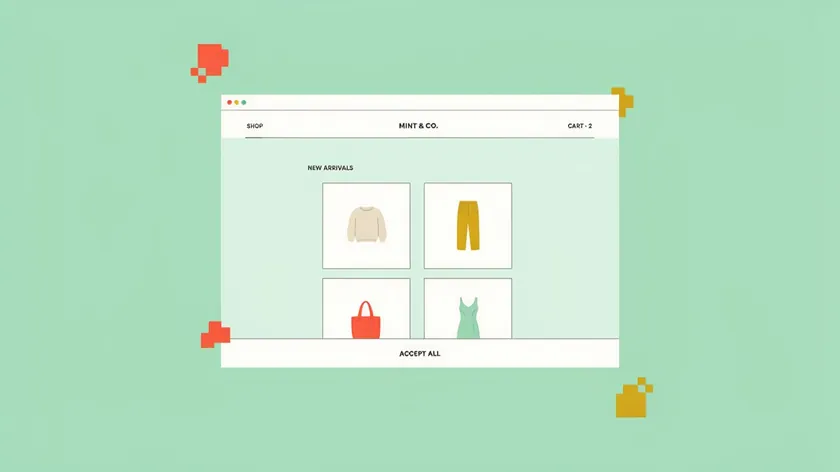
Cookies and tracking technologies should be disclosed in your privacy policy. Explain in plain terms what cookies are—small text files stored on a visitor’s device—and the difference between session cookies (deleted when the browser closes) and persistent cookies (remain until they expire or are cleared).
List the tools your store actually uses:
- Google Analytics (GA4): measures traffic, tracks which products are most viewed, and helps improve site performance. Event data retention in GA4 can be set to 2 or 14 months.
- Meta Pixel and TikTok Pixel: enable remarketing ads and conversion tracking on social platforms.
- Other ad tags or analytics services: any additional scripts that collect data for targeted advertising or performance measurement.
Describe how users can manage cookies through browser settings or a consent banner. Under some privacy laws, pixels count as “selling or sharing” data—a point covered in the California section below.
Your store should also disclose the use of similar tracking technologies like device fingerprinting or local storage if applicable.
What to adapt: remove any tool you don’t actually use. If you don’t run TikTok ads, don’t list TikTok Pixel.
How We Share Data With Service Providers and Partners
Privacy policies should explain if and how data is shared with third parties. Be specific—vague statements like “we may share with third parties” can read as misleading and draw regulatory scrutiny.
Under Section 5 of the FTC Act, a business that makes privacy promises must live up to them, so every statement in your policy has to match what your store actually does.
- Operational providers: hosting company, payment gateway, email service provider, SMS gateway, review platform, live chat tool, helpdesk system.
- Marketing and analytics partners: Google, Meta, TikTok, and other ad networks or analytics services used to deliver and measure ads.
- Logistics: shipping carriers, fulfillment centers, and tax calculation services.
- Legal disclosures: data is also shared when required by law—court orders, regulatory requests—or to protect the rights, property, and safety of the store and its customers.
Where required, clarify when the store is the data controller and when a vendor acts as a data processor on its behalf. Disclose any third parties that have access to user data by category at minimum, and by name where feasible.
Fraud Prevention, Security, and Automated Decision Making

Include a section on how you protect user data. Robust data security measures should be mentioned in privacy policies to build confidence.
- Technical safeguards: HTTPS encryption across the entire site, password hashing for stored credentials, restricted access controls, regular backups, and staff access limited by role.
- Fraud screening: automated tools may score orders based on IP address, shipping country, billing mismatch, or velocity checks. Some orders may be flagged, delayed, or canceled as a result.
- Automated decision making: state that automated decisions related to fraud do not usually produce legal or similarly significant effects beyond order delays or cancellations. Provide contact information so customers can contest a decision.
- Transparency: no security method is perfect, but reasonable safeguards are in place and regularly reviewed to protect personal data against data theft and unauthorized access.
Describe only the safeguards and screening tools you actually use, and update this section when your payment or fraud tools change.
Product Reviews, User Content, and Loyalty or Referral Programs
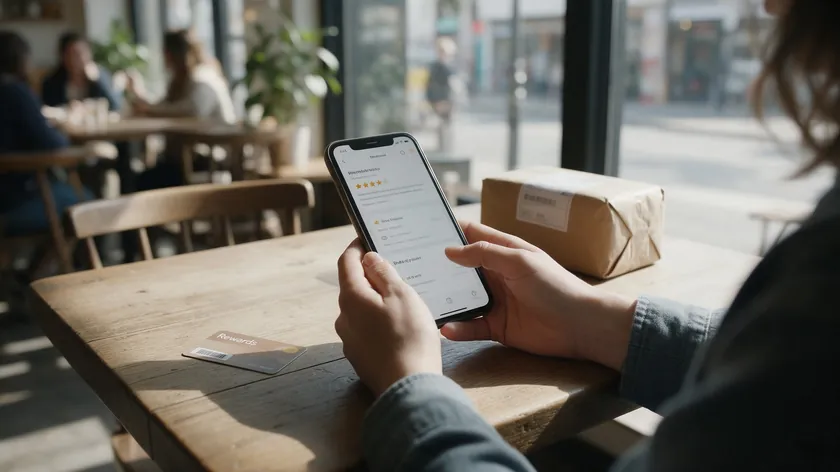
Reviews and loyalty or referral programs add data that customers share on purpose or build up over time. Your policy should cover what is shown publicly, what is stored for rewards, and how each type of data is removed.
Product Reviews and User Content
When customers submit product reviews, the store may display limited personal data—typically a first name or initials and city. Ratings and written comments are public.
If customers upload photos or videos, the store is granted a license to display that content on product pages, subject to the store’s terms.
Reviews remain on the site indefinitely unless a user requests removal or the content violates guidelines. Upon removal, the personal data attached to the review is deleted.
Loyalty Programs
Loyalty programs store points balances, qualifying transaction history, and reward redemptions. This data may be used for personalized offers and targeted advertising.
If the customer leaves the program, loyalty data is deleted or anonymized within the stated retention window.
Referral Programs
Referral programs may collect email addresses or phone numbers of invited friends. Invitations are sent once on behalf of the referrer. If the invitee does not sign up within a set period (for example, 30 days), their contact data is deleted.
Customer Support, Live Chat, and Communication Records
This section should detail how support data is collected and stored. When customers contact support—via email, live chat, or a ticket form—the store collects their name, email, order number, and the content of the conversation.
Uses include resolving issues, improving service quality, training support staff, and documenting warranties or promises made during the exchange.
Third-party chat tools or helpdesk systems act as processors and store copies of messages under their own security controls.
Support communications are typically retained for two years after the last interaction to handle follow-up questions, complaints, or chargebacks. After that period, records are deleted or anonymized.
Data Retention: How Long We Keep Your Information
Different types of collected personal data have different retention timelines. Data is kept only as long as necessary for the purposes described or as required by law.
- Order records: retained for five to seven years for tax and accounting compliance, depending on local rules.
- Customer accounts: data kept while the account is active, then deleted or anonymized within 30 to 90 days after closure.
- Marketing data: retained until the user unsubscribes or after a fixed inactivity period. Suppression records kept longer for anti-spam compliance.
- Analytics data: kept for the retention window configured in the analytics tool (for example, 2 or 14 months in GA4), after which identifiers are removed.
When data is no longer needed, it is either deleted, anonymized, or aggregated so individuals can no longer be identified.
International Data Transfers and GDPR-Oriented Notes
If your store serves customers in the European Union, the European Economic Area, or the UK, briefly address international data transfers.
State that customer data may be stored on servers in the United States or other countries and that appropriate safeguards—such as Standard Contractual Clauses—are used for transfers outside the customer’s region.
For a deeper breakdown of lawful bases, subject rights, and transfer mechanisms, read the GDPR compliant privacy policy guide.
California and Other US State Privacy Disclosures
A growing number of US states have their own comprehensive privacy laws, each with slightly different rules for how stores must handle customer data.
California’s law applies only to businesses that meet certain thresholds, such as annual gross revenue of $26.625 million or more (the amount in effect since January 1, 2025, according to the California Privacy Protection Agency), so check whether your store qualifies before you rely on a California-style disclosure.
- California residents may request access to, deletion of, or opt out of the “sale or sharing” of personal information.
- Pixels and advertising cookies can, under California law, be treated as “sharing” personal information. Your policy should describe how users can opt out.
- Include a “Do Not Sell or Share My Personal Information” link or mechanism if applicable. See the California privacy policy template for step-by-step implementation.
What to adapt: check whether your store meets the revenue, data volume, or other thresholds in each state where you have customers.
Your Privacy Rights and How to Exercise Them

Users should have rights to access and delete their personal data. Under most global privacy laws, individuals can also request correction, data portability, restriction of processing, and objection to certain uses like direct marketing.
Include user rights regarding their personal data in your policy with a clear process:
- Submit a request by emailing [your privacy email address] with “Privacy Request” in the subject line.
- Verify identity by providing your name, email on file, and recent order number.
- Receive a response within the time limit the applicable law allows—for example, one month under the GDPR and 45 days under the CCPA.
Some data cannot be deleted immediately if the store must keep it for legal or security reasons—such as tax records or fraud logs.
Encourage customers to use self-service tools (account settings, unsubscribe links) for faster resolution before or in addition to formal requests.
A data subject access request is every customer’s right, regardless of whether they used guest checkout or hold a registered account.
Children’s Privacy and Age Limits
Your store should specify a clear minimum age for site use. If the store is not directed to children under 13, state that explicitly. The FTC’s COPPA compliance guidelines outline what’s required if you do collect data from minors.
- State that you do not knowingly collect personally identifiable information from children under the defined age.
- If such data is discovered, describe the steps taken—typically prompt deletion and notification to the parent or guardian.
- For stores selling age-restricted products like alcohol, note any age-gating or verification measures in place.
If your store serves a general audience, state the minimum age and give customers a contact for deletion requests.
Business Transfers and Changes of Ownership
If the store undergoes a merger, acquisition, or asset sale, customer data may be transferred as part of the transaction. State that any transferred data remains subject to the promises in the existing privacy policy.
Users will be notified of material changes to data practices after such events, typically by email or a prominent site notice. This clause is straightforward but essential—it reassures customers that their data won’t be repurposed without notice.
How and Where to Publish Your Online Store Privacy Policy
A privacy policy that nobody can find serves no one. Pew Research Center found that 56% of Americans say they always, almost always, or often click “agree” without reading privacy policies, so clear wording and obvious placement matter. E-commerce platforms require a valid privacy policy for merchant account approval, and global privacy laws expect conspicuous placement.
- Add a persistent link labeled “Privacy Policy” in the website footer of every page.
- Place the link beside every form that collects data: account sign-up, newsletter opt-in, checkout page near the “Place Order” button, and contact forms.
- Include the policy link in your cookie consent banner or pop-up on the first visit, especially if you use analytics and ad trackers.
- Cross-link from other legal pages like Terms of Service and your return policy.
A privacy policy helps build customer trust by ensuring transparency about data usage—but only if customers can actually find it.
Whether you title the page a policy or a notice matters less than its content; our privacy policy vs privacy notice comparison explains what the law actually requires.
Updates to This Online Store Privacy Policy
Include concrete dates at the top of your policy: “Effective date: November 1, 2026” and “Last updated: November 1, 2026.” Your privacy policy should be updated at least annually.
Revise the policy whenever you add new features (like a loyalty program or SMS channel), change third-party service providers, or when data protection laws evolve.
To notify users of material changes, use email notices, an on-site banner, or account dashboard notifications. Keep an archive of previous versions so customers—and regulators—can see what changed.
Key Takeaways
- A well-crafted online store privacy policy does more than check a legal box. It tells customers exactly how their customer data is handled, building the trust that drives repeat purchases. In a 2023 Pew Research Center survey, 81% of U.S. adults said they feel very or somewhat concerned about how companies use the data they collect about them.
- Compare every clause in the sample template against the tools and data practices running in your ecommerce store today, and map your actual data flows.
- Name your real vendors, set honest retention periods, and keep the policy current.
- Your online store privacy policy is a living legal document, so review it whenever you add new tools, sales channels, or markets.
- This template is an example structure only, educational and not professional legal advice. Complex cases or multi-country operations should be reviewed with qualified counsel.
Want to skip the manual work? Termify.io’s privacy policy generator builds a tailored online store privacy policy from your actual tools and data practices, ready for Shopify, WooCommerce, or any ecommerce platform.
FAQ
Do guest checkout customers have the same privacy rights as account holders?
Yes. Privacy rights apply to anyone whose data the store holds, regardless of whether they checked out as a guest or created an account.
Both guests and registered users can submit a request to access, correct, or delete their data using the process described in “Your Privacy Rights.” The only practical difference is that account holders have self-service tools (like account settings) to manage some changes themselves.
Do I need to name Google Analytics, Meta Pixel, and other trackers in my store’s privacy policy?
Your policy must describe the trackers actually in use and explain why they collect data. Naming the main tools—Google Analytics, Meta Pixel, TikTok Pixel, and so on—makes the disclosure clearer and more defensible.
Vague references to “analytics tools” leave customers guessing what is actually collected. If you add or remove a tracker, update the policy.
Do I need consent before sending abandoned-cart emails or SMS marketing?
The rules depend on your customers’ location and the channel. In the US, marketing texts generally require explicit opt-in consent under the Telephone Consumer Protection Act. EU and UK rules for marketing emails are stricter—typically requiring opt-in before sending.
Abandoned-cart emails in the US may rely on a clear opt-out mechanism under CAN-SPAM, but consent is safer. Record when and how consent was given, and verify wording against current privacy regulations before publishing.
Where should I link my privacy policy during checkout and sign-up?
Place the link in your website footer on every page, on checkout pages near the “Place Order” button, on account registration forms, and next to newsletter opt-in fields.
If your store uses a cookie consent banner, include the link there too. The goal is to make the policy accessible at every point where you collect data.
What’s the difference between a general data privacy policy and an online store privacy policy?
An online store privacy policy is a specific type of data privacy policy focused on ecommerce data flows—checkout data, shipping details, payment tokens, marketing consent, pixels, and product reviews. A general data privacy policy covers broader basics that apply to any organization.
If you run an ecommerce store, you need the ecommerce-specific version to address the unique ways your site collects and shares personal data.