
Return fraud is one of the most persistent margin killers in the retail industry, and it often goes undetected until the financial damage is already significant. This guide covers the most common fraud schemes, the warning signs that separate legitimate returns from deliberate abuse, and the practical fraud prevention measures merchants can implement today.
The goal is protecting profitability without punishing legitimate customers—practical and merchant-focused, not alarmist.
Table of Contents
- What Is Return Fraud? (Definition, Scope, and 2024–2025 Impact)
- Major Types of Return Fraud
- How Return Fraud Works in Practice (End-to-End Attack Paths)
- Detection Signals: How to Detect Return Fraud Early
- Building a Return Fraud Prevention Framework (People, Policy, and Process)
- Technology and Data: Using Machine Learning and Automation to Fight Return Fraud
- Legal, Disclosure, and Policy-Writing Considerations for Merchants
- Key Takeaways
- FAQ: Merchant Questions About Return Fraud
- How can small e-commerce shops detect return fraud without an in-house data science team?
- What is the difference between policy abuse and criminal return fraud from a legal standpoint?
- Should we charge restocking fees to reduce fraudulent returns?
- How often should we update our return and refund policy to keep up with new fraud tactics?
- Can we share data about known return fraudsters with other retailers?
What Is Return Fraud? (Definition, Scope, and 2024–2025 Impact)
Return fraud is any intentional manipulation of the refund process to gain money, store credit, or goods the customer is not entitled to. It overlaps with related concepts like refund fraud, fraudulent returns, and policy abuse—though policy abuse often sits in a gray area where rules are technically followed but systematically exploited for financial gain.
Return fraud is considered a form of theft in most jurisdictions, exposing both bad actors and complicit employees to criminal and civil liability under fraud, theft, or deceptive trading statutes.
The numbers are staggering. In 2024, merchants lost roughly $103 billion to fraudulent return claims—about 15.14% of total U.S. return volume. In 2020, retailers lost $25.3 billion due to fraudulent returns, and by recent estimates, retailers lose about $24 billion annually to return fraud.
According to National Retail Federation–style survey data, 99% of brands say they’ve been hit and around 90% report the problem worsening since 2020.
Even beyond outright scams, 14% of returns are estimated to be fraudulent, and for every $100 in returned merchandise, retailers lose $10.30 to fraud. Fraudulent returns result in increased operational expenses due to inspection and processing, and retailers face direct revenue loss from fraudulent returns impacting profitability.
Return fraud can lead to significant financial losses for retailers of all sizes—and roughly 10% of all returned goods are fraudulent returns.
Major Types of Return Fraud
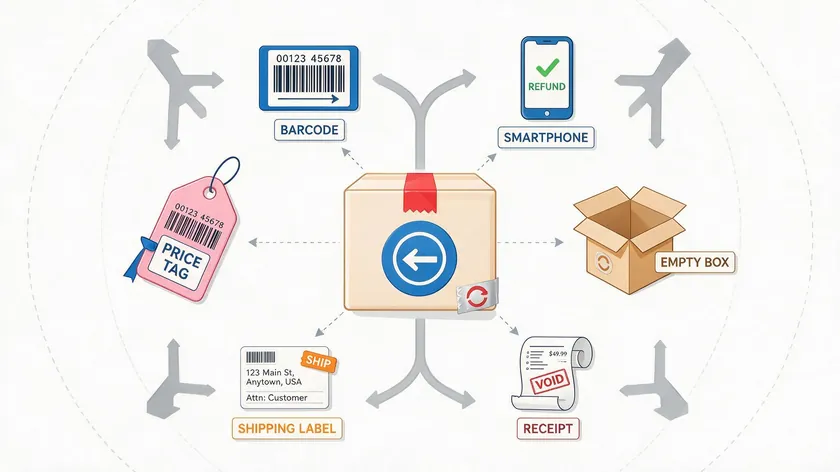
Return fraud tactics can vary widely. Some involve outright deception; others exploit policy loopholes. Here are the most common types of return fraud merchants encounter.
Wardrobing & Bracketing

Wardrobing is buying items for temporary use before returning them—think a formal dress worn once to a wedding, then sent back with carefully reattached tags. About 23% of consumers admit to such behavior.
E-commerce shopping has made bracketing (ordering multiple sizes or colors, intending to return most) commonplace. It crosses into return abuse when keep rates are extremely low and frequency far exceeds peers. Surveys show 51% of Gen Z consumers budget regularly.
Receipt Fraud
Receipt fraud uses forged or stolen receipts for returns. Criminals steal receipts from trash, buy identical items elsewhere, or use templates for receipt tape from the dark web to trick cashiers. Some even use someone else’s receipt to return stolen merchandise for a full refund.
In 2019, a woman was charged with defrauding T.J. Maxx of $160,000 through a sophisticated falsified return scheme involving fabricated receipts.
Price Switching & Price Arbitrage
In price switching, fraudsters swap price tags or barcodes on a store shelf, placing a higher price tag on a cheaper item. They later return the cheaper item at the higher price and pocket the price difference.
Price arbitrage works across locations—buying at a lower price at one retail store and returning at another where the retail price is higher, exploiting inconsistent refund policies.
Switch Fraud and Bricking
Switch fraud involves returning an old item as new for a refund. A customer buys a new smartphone, places their old device in the box, and returns it under false pretenses.
“Bricking” refers to returning stripped electronic devices for refunds—removing valuable components like GPUs or RAM and sending back a non-functional shell. High-value electronics and power tools are prime targets.
Empty-Box and “Box of Rocks” Returns
Fraudsters return empty packages or boxes filled with random weights to mimic the same item purchased. These schemes spike during the holiday season, when logistics teams become overwhelmed.
High-ticket categories—laptops, cameras, and designer goods—are especially vulnerable, and 58% of retailers can restock half or less of returned items due to damage or tampering.
Cross Retailer Returns and No-Receipt Abuse
Cross-retailer returns exploit price differences between stores. A shopper purchases at retailer A, then returns to retailer B’s more lenient return window.
No-receipt abuse converts unknown inventory into store credit at chains that don’t require proof of purchase, enabling a quiet refund scam at the retailer’s expense.
Online-Only Schemes
Online marketplaces face “did not arrive” (DNA) claims, fake tracking ID (FTID) manipulation, and seller sabotage where bad actors weaponize buyer-protection policies.
Friendly fraud—where a customer files a chargeback claiming non-receipt despite having received the item—is a growing challenge in online shopping. Fraud rings coordinate via Telegram and Discord, sharing step-by-step playbooks.
How Return Fraud Works in Practice (End-to-End Attack Paths)
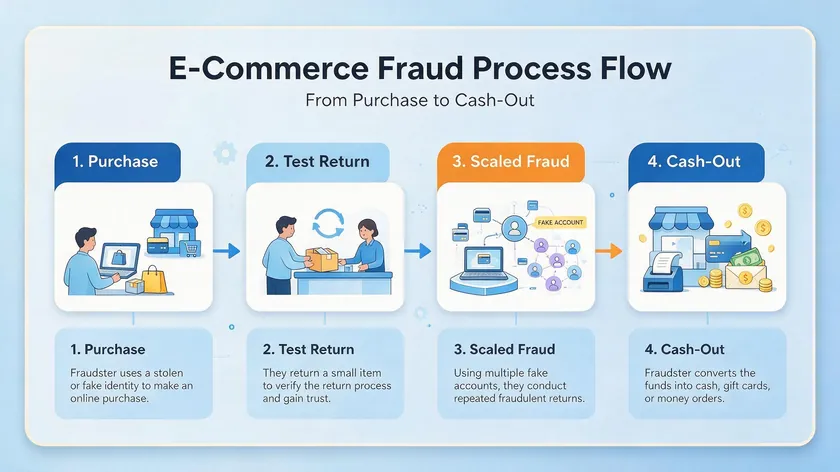
A typical fraud lifecycle starts with policy reconnaissance—reading a merchant’s return window, checking no-receipt clauses, and testing with low-value returns. Scaling happens during peak seasons, with rapid cash-out via resale, gift card conversion, or attempts to secure cash refunds.
Common Offline Attack Paths
Shoplifting-to-return involves returning stolen merchandise for cash, often using found or purchased receipts. Employee-assisted return fraud involves complicit staff who override verification at the service desk.
Some fraudsters exploit the weakest policy in a physical store cluster, targeting the easiest retail fraud path in a given area. Organized groups return stolen goods across dozens of locations simultaneously.
Common Online Attack Paths
Online paths include creating multiple accounts with different shipping address details, abusing free return labels, and filing DNA or “wrong item arrived” claims. Coordinating returns from multiple addresses helps evade velocity checks.
Fraud rings run refund-as-a-service operations—industrialized scams using a stolen credit card or synthetic identities to generate fraudulent refunds across dozens of merchants.
Merchants can intervene at key choke points: at purchase (screen risky orders), at RMA issuance (evaluate risk before sending return labels), at drop-off or in-store handover (verify items), and at warehouse inspection before finalizing refunds.
Fraudsters constantly test policy edges and adjust when merchants tighten controls, making continuous iteration critical.
Detection Signals: How to Detect Return Fraud Early

To detect return fraud effectively, search for patterns across orders, customers, and channels—not individual suspicious returns in isolation. Tracking customer return habits helps identify potential serial returners before losses compound.
Customer-Level Signals
Watch for very high return-to-purchase ratios relative to peers, repeated wardrobing patterns on special-occasion items, frequent “item not received” complaints, and multiple accounts tied to the same device, IP, or shipping address. Such behavior often signals fraudulent activity or systematic return abuse.
Transaction-Level Signals
Key indicators include mismatched SKU and price combinations, unusually high refund amounts, repeated price switching behavior in a short window, and clusters of returns just before policy cut-off dates. Watch for the same item being returned repeatedly across accounts—a hallmark of organized fraud tactics.
Item and Packaging Signals
Physical cues include tampered seals, mismatched serial numbers, missing accessories, weight discrepancies between outbound and inbound shipments, and barcodes that don’t match internal records. Returned merchandise showing signs of wear, odor, or reattached tags points directly to wardrobing.
Channel and Location Signals
Some store locations or fulfillment centers show higher-than-average return fraud rates. Cross-retailer return patterns within the same city, or online marketplaces with abnormal return behavior compared to direct channels, all signal concentrated risk. Inventory distortion at specific locations often reveals localized schemes.
Tools and data: Combine POS logs, RMA data, courier scan data, customer data, and transaction data to build risk scores. Machine learning models detect subtle correlations that simple thresholds miss. Automated systems can identify return fraud patterns effectively.
Every confirmed fraudulent return should update your rules and training. Data feedback loops are essential.
Building a Return Fraud Prevention Framework (People, Policy, and Process)

Merchants need a layered defense: strong written policies, trained staff, and consistent operational checks that work online and in-store without making honest shoppers feel criminalized. Retailers use risk-based controls to minimize fraud while enhancing customer experience.
Policy Design
Set different return windows by category—shorter for formal wear and luxury, longer for basics. Require proof of purchase for higher-value items. Limit cash refunds and explicitly reserve the right to refuse in suspected abuse cases.
Clear return policies reduce opportunities for fraud. Retailers may shorten return windows or charge fees to offset fraud-related costs, and shortening return windows can help prevent switch fraud.
Operational Controls
Mandate ID checks above certain refund thresholds. Use serial-number verification on electronics. Photograph returned items at intake. Require RMAs for mail-in returns to prevent uncontrolled shipments. Receipt and identity verification can help prevent fraudulent returns at the point of return.
Inventory and Labeling
Use tamper-evident seals and unique serial tracking. Tagging with non-reusable labels can deter return fraud for high-risk items. Apply SKU-level rules: no returns on final-sale clearance and stricter checks on high-risk categories like jewelry, smartphones, and designer apparel.
One NYC multi-store retailer deployed RFID verification and saw fraudulent return attempts drop by 38%.
Customer Segmentation
Tier customers by risk. Trusted, low-risk customers keep convenient free returns and protect customer loyalty. High-risk segments face shorter windows, restocking fees, or store credit–only refunds. This risk-based approach lets you fight return fraud without degrading the customer experience for everyone.
Staff Training and Incentives
Train frontline employees to spot receipt fraud, price switching, and wardrobing. Empower them to escalate concerns without fear of hurting KPIs tied purely to refund speed. Employee fraud can also be an internal risk—include awareness of such behavior in onboarding and ongoing training.
Cross-Functional Governance
Create a small fraud working group (operations, finance, legal, and customer support) that reviews data quarterly and adjusts policies as schemes evolve. Preventing fraud is an ongoing process, not a one-time project.
Technology and Data: Using Machine Learning and Automation to Fight Return Fraud
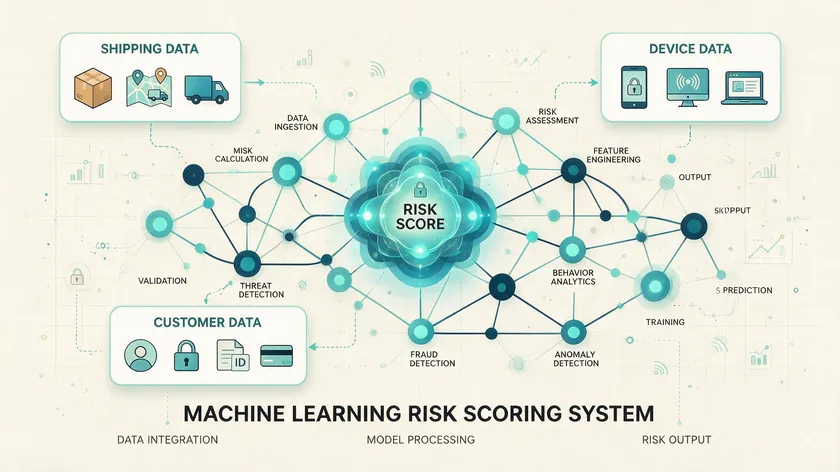
As scams scale and move across channels, manual review alone cannot keep up. Merchants need data-driven systems that score risk before authorizing returns. Using AI tools helps retailers analyze customer return patterns for suspicious activity at scale.
Risk Scoring and Rules Engines
Set up configurable rules: block returns above a certain value without serial verification, flag repeat D.N.A. claims, and limit returns by customer frequency. Layer statistical risk scores on top for nuanced decisions.
Machine Learning Models
ML models analyze historical order and return data to find subtle patterns—combinations of SKUs, regions, and behaviors that are linked to later-confirmed fraud. These models improve with every confirmed case fed back into training data.
Integration with Carriers and Online Marketplaces
Ingest shipment tracking events, weight data, and marketplace claim data. This lets you verify DNA or empty-box claims and spot FTID-style manipulation before issuing a refund.
Device, Identity, and Network Intelligence
Use device fingerprinting, email and phone reputation tools, and IP intelligence to link apparently separate shopper profiles. This exposes fraud rings and cross-account policy abuse that individual transaction reviews would miss.
Dashboards and Alerts
Provide operations teams with visual dashboards that highlight hotspots—stores, SKUs, and customers with abnormal return rates—and automated alerts when thresholds are exceeded. Everlane’s partnership with Happy Returns cut fraud by roughly 85% on drop-off returns versus mail-ins, with an average of $240 in loss prevented per flagged case.
Add a clear, consistently applied digital return and refund policy, using tools like Termify to ensure automated decisions match documented customer terms.
Legal, Disclosure, and Policy-Writing Considerations for Merchants
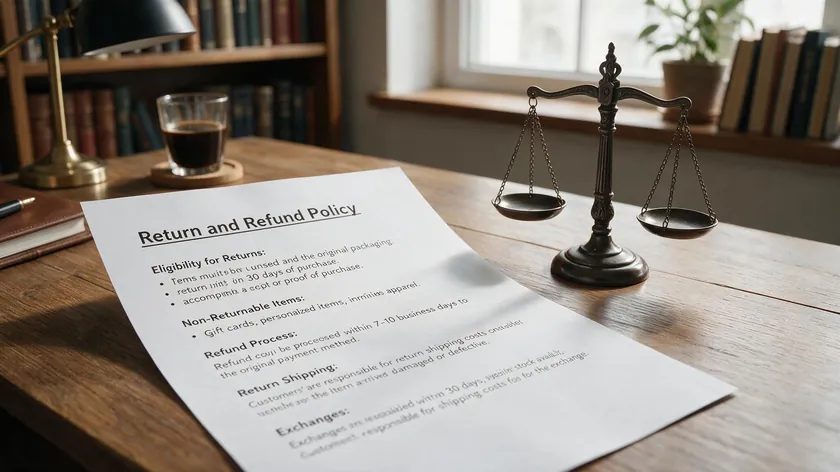
Return fraud prevention isn’t just operational. Merchants must disclose terms transparently, align them with consumer law, and document how they handle suspicious activity and fraudulent behavior.
Legality and Consumer Rights
Consumer-protection rules set minimum rights for legitimate returns—for example, cooling-off periods for distance sales in the EU and UK. Policies cannot contract out of statutory rights. Taking advantage of these rules is different from abusing them.
Clarity in Policy Text
Specify which items are non-returnable, what condition is required, the return window length, and whether merchant-issued return labels are mandatory. Ambiguity in the return process creates opportunities for policy abuse.
Disclosure of Anti-Fraud Measures
Include plain-language statements that returns are subject to inspection, serial abusers may face restrictions, and law enforcement may receive reports of fraudulent returns.
Data Handling and Privacy
Using analytics and machine learning to combat return fraud involves processing customer data. Align with privacy laws like GDPR and CCPA and disclose analytics use in your privacy notices.
Template-Driven Approach
Use specialized tools like Termify’s Return and Refund Policy Generator to create and maintain customized refund policies that combine clear customer language with robust fraud prevention clauses.
Link to Related Policy Content
Cross-link from your return fraud resources to internal guides on money-back guarantees, restocking fees, and no-refund policies so merchants can choose the right mix for their risk profile.
Key Takeaways
- In 2024, U.S. merchants lost an estimated $103 billion to fraudulent returns—roughly 15.14% of total return volume—and 99% of brands report being affected.
- Common types of return fraud include wardrobing, empty box returns, and receipt fraud, along with price switching, switch fraud, and cross-retailer return schemes.
- Retailers lose about $10.30 for every $100 in returned merchandise due to fraud, and 67% of retailers recover less than half the value of returned items.
- A comprehensive strategy for preventing fraud—combining clear return policies, staff training, customer segmentation, and machine learning—protects margins without punishing good customers.
Merchants can reinforce their defenses with a legally sound return and refund policy built through Termify’s Return and Refund Policy Generator.
FAQ: Merchant Questions About Return Fraud
These questions cover practical edge cases for smaller e-commerce brands and omnichannel retailers looking to prevent fraud without enterprise-level budgets.
How can small e-commerce shops detect return fraud without an in-house data science team?
Track returns in a simple dashboard, flag customers with extreme return-to-purchase ratios, and use carrier weight data to validate empty-box claims. Manually review high-value or high-risk-category returns. Even basic spreadsheet analysis can surface serial returners when you compare return rates across your customer base.
What is the difference between policy abuse and criminal return fraud from a legal standpoint?
Intentional deception—using fake receipts, stolen goods, or identity fraud—is usually prosecutable. Gray-area behaviors like wardrobing may breach store terms but are harder to pursue legally. Document patterns carefully and consult legal counsel before banning customers or reporting them.
Should we charge restocking fees to reduce fraudulent returns?
Restocking fees work well for high-value electronics and luxury items where switch fraud and bricking are common. and luxury items where switch fraud and bricking are common. Communicate fees clearly at checkout and consider waiving them selectively for VIP or repeat buyers to maintain customer loyalty while deterring serial abusers.
How often should we update our return and refund policy to keep up with new fraud tactics?
Review at least annually, plus ad hoc updates after major incidents or expansion to new regions or online marketplaces. Use Termify’s Return and Refund Policy Generator to streamline updates and maintain version control as fraud tactics evolve.
Can we share data about known return fraudsters with other retailers?
Proceed cautiously. Privacy laws restrict sharing personal data. Some industry consortiums and marketplace-level programs allow anonymized or aggregated intelligence sharing, which is safer than ad hoc exchanges of individual customer records. Always consult legal counsel before participating.