
An exchange policy outlines the conditions under which customers can swap a purchased product for a different size, color, or variant instead of requesting a full refund.
This article breaks down how an exchange policy differs from a refund policy, walks through the core components every merchant needs, and examines real approaches from Lulus, Lee, and Famous Footwear.
The goal is to help you build a policy that keeps customers happy and retains revenue without over-promising specific business outcomes.
Table of Contents
- What Is an Exchange Policy (and How It Differs From a Refund Policy)?
- Why a Clear Exchange Policy Matters for Customer Satisfaction and Risk Management
- Core Components of an Effective Exchange Policy
- Setting Exchange Windows, Eligibility Rules, and Item Conditions
- Handling Shipping Costs, Restocking Fees, and Free Return Shipping
- Price Differences, Store Credit, and Exchange-Only Scenarios
- Special Rules for Digital Products, Bundles, and Mixed Orders
- Designing a Customer-Friendly Exchange Flow (Online and In-Store)
- Real-World Exchange Policy Examples: Lulus, Lee, and Famous Footwear
- How Exchange Policies Fit into a Broader Return and Refund Framework
- Implementing and Updating Your Exchange Policy with Termify.io Tools
- Key Takeaways
- FAQ: Common Questions About Exchange Policies
What Is an Exchange Policy (and How It Differs From a Refund Policy)?
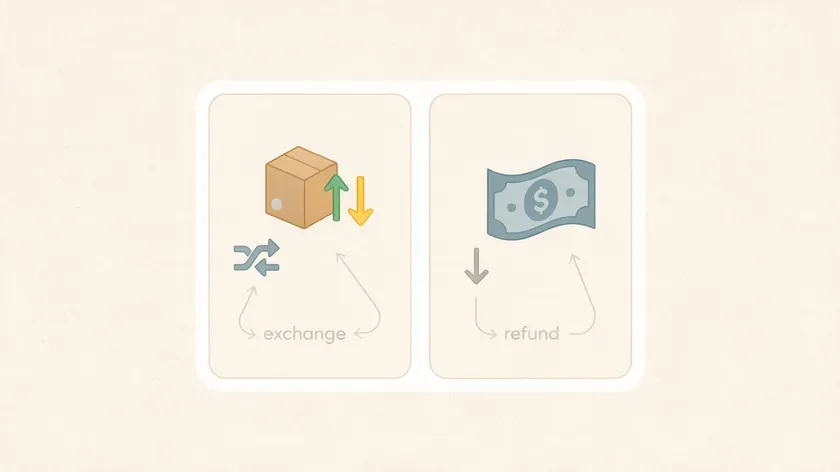
An exchange policy is the section of your return and refund policy that governs when and how a customer can send back a purchase and receive a different item in its place. It is typically part of a broader return policy document rather than a standalone agreement.
A refund policy details the rules for obtaining refunds for purchases, usually returning money to the original payment method. A return policy outlines conditions for returning purchased goods in general.
An exchange policy, by contrast, keeps value inside the order ecosystem—the customer still walks away with a product, and the business retains revenue.
Some brands run exchange-only policies for sale items, meaning they accept returns but limit cash refunds, pushing customers toward store credit or a swap.
Exchange policies can be part of broader return policies, sitting alongside clauses about refunds, warranties, and dispute resolution.
Common elements include eligibility rules; timeframes tied to the purchase date or delivery date; acceptable reasons (wrong size, incorrect items, or defective goods); and required documentation like receipts or order history.
| Exchange | Refund | |
|---|---|---|
| Outcome | The customer receives a replacement product | The customer receives money back |
| Revenue impact | The business retains the sale | The business loses the sale amount |
| Typical trigger | Wrong size, color, or minor defect | Dissatisfaction, major defect, change of mind |
| Common fallback | Store credit if variant unavailable | Refund to original payment method |
Why a Clear Exchange Policy Matters for Customer Satisfaction and Risk Management

Clear guidelines on exchanges can reduce customer anxiety. When potential customers know upfront that they can swap a shirt for a different size without hassle, they are far more likely to complete a purchase.
A clear return policy increases customer satisfaction, and a flexible exchange policy can measurably enhance customer trust and satisfaction.
Encouraging exchanges instead of refunds tends to help businesses retain revenue. For example, if a customer returns an $80 jacket for a refund, the business loses that $80.
If they exchange it for a different size, the revenue stays. The cost difference can be as simple as a $10 shipping label versus an $80 hole in revenue.
On the risk side, a strong return policy can help retain customers and increase sales, while return policies can help reduce return fraud by setting clear guidelines.
An estimated 13.7% of returns were fraudulent in 2023, making firm but fair rules essential. Overly restrictive return policies scare customers away, but a total lack of structure invites abuse.
A strong exchange policy can complement warranties and money-back guarantees rather than replace them. It builds trust by setting predictable expectations for both sides of the transaction.
Core Components of an Effective Exchange Policy
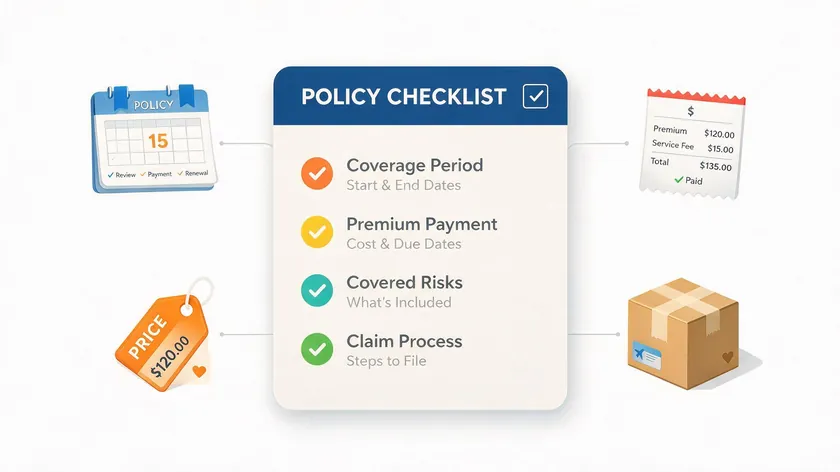
This section acts as a blueprint for any e-commerce or brick-and-mortar business wanting to draft or update its exchange terms. Return policies should be clear and easy to understand, and the same principle applies to every clause about exchanges.
Consumers can request exchanges for damaged or faulty products, but your policy should also address change-of-mind swaps, sizing issues, and color mismatches. Here are the must-have clauses:
- Eligibility criteria—who qualifies, what products are covered, and what counts as “defective” versus “change of mind.”
- Time limits—how many days after purchase or delivery the customer has to act.
- Item condition—items for exchange must be unused and in their original condition, with original tags attached.
- Proof of purchase—a receipt or proof of purchase is usually required for processing exchanges.
- Shipping rules—who pays for return shipping costs and whether free return shipping applies.
- Price-difference handling—what happens when the replacement costs more or less.
- Exclusions—final sale items are often excluded from exchanges, along with personalized or hygiene-sensitive goods and digital products.
These clauses form the backbone of any exchange policy—get them right, and most disputes resolve themselves before they start.
Setting Exchange Windows, Eligibility Rules, and Item Conditions
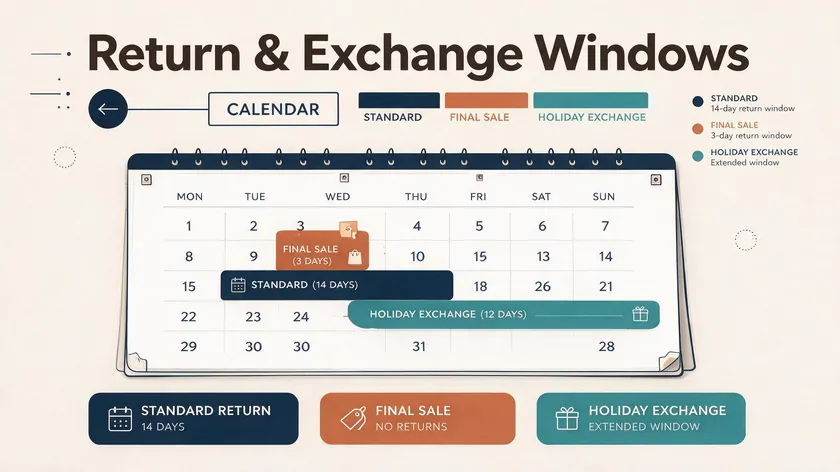
Exchange windows are central to any return and refund policy. Retailers commonly set exchange windows of 14 to 60 days after purchase, though the specific return window depends on the product category and the store’s own policy.
For online store purchases, the clock typically starts on the delivery date. In-store purchases usually count from the purchase date. Many brands extend windows during holiday periods—Lee, for instance, extends its return window for orders placed between October and December.
Eligibility rules vary by product type. Apparel must typically be unworn with tags attached. Shoes should be tried on indoors only. Electronics need original packaging. Health and personalized items are usually excluded entirely.
Documentation expectations include receipts, order confirmation emails, barcodes, and a return merchandise authorization number. These reduce disputes over refund information and exchange eligibility.
EU law mandates a 14-day return period for refunds, and 14-day return periods are required in the EU for faulty items, which sets a legal floor that your policy should meet or exceed.
| Category | Typical Exchange Window | Notes |
|---|---|---|
| Standard items | 30 days from delivery date | Tags: original condition required |
| Final sale | No exchanges | Clearly marked at checkout |
| Holiday purchases | Extended to 45–60 days | Common Oct–Jan policy |
Handling Shipping Costs, Restocking Fees, and Free Return Shipping

Shipping and handling fees often determine whether customers view an exchange process as generous or restrictive. The way you handle return shipping charges directly shapes the customer experience.
Typical models include the following:
- Customer-paid return labels for change-of-mind exchanges.
- Free return shipping for defective or incorrect items.
- Split-cost approaches for heavy or bulky products.
Some retailers charge restocking fees for exchanges, particularly for opened electronics, worn footwear, or large items. Any such restocking fee must be clearly disclosed in both the exchange and refund policy sections. Lee charges a processing fee of roughly $7.99–$8.49 on refunds but waives it for eligible exchanges, gently nudging customers toward swaps.
Waiving return shipping fees for exchanges while charging them on refunds can encourage exchanges without forcing the issue. This approach tends to shift customer behavior while still feeling fair.
For international returns, shipping costs and customs duties often make physical exchanges impractical. Many brands operating in the same country as the customer offer exchanges, but for cross-border orders, a refund or store credit may be the more realistic option.
| Scenario | Who Pays Shipping? | Restocking Fee? |
|---|---|---|
| Full refund | Customer | Sometimes |
| Size exchange | Store (often) | Rarely |
| Defective-item exchange | Store | No |
Price Differences, Store Credit, and Exchange-Only Scenarios

Clear rules on price differences help avoid frustration when customers swap items of different values. Your exchange policy should address what happens when the new item costs more or less.
If the replacement costs more, the customer typically pays the difference. If it costs less, many brands offer store credit for the balance or refund the difference to the original payment method. Lulus, for example, refunds the price difference when the replacement item is lower in cost.
Some businesses run exchange-only policies for deeply discounted or seasonal merchandise. These allow the return or exchange process to proceed, but only toward store credit or another product—not a cash refund. This is common for clearance and final sale items where margins are tight.
When designing store credit rules, consider expiration dates, whether credit works online and in store, and whether it is issued automatically during the exchange process. Store credit can help keep money in the business while giving loyal customers flexibility.
Here is a quick example: a customer bought a $80 sweater and wants to swap it for a $60 version. The $20 difference gets issued as store credit, usable on a future purchase. Clean, predictable, and fair.
Special Rules for Digital Products, Bundles, and Mixed Orders
Digital products and mixed carts need extra clarity because they rarely follow the same rules as standard physical goods. Your online store should address these categories explicitly.
Many businesses do not allow exchanges or returns for downloaded software, streaming access, or other digital goods once delivered. Some offer troubleshooting or limited-time refunds under a broader return and refund policy, but exchanges in the traditional sense are uncommon.
Bundles or kits—like apparel sets or shoe-and-accessory combos—may require customers to return items as a full set. Allowing partial returns on bundles can create pricing and inventory headaches.
For mixed orders containing both physical and non-refundable digital products, make your policy explicit about which portions are eligible for exchange.
Common exclusions to note in your policy:
- Personalized or monogrammed items
- Downloaded files or activated licenses
- Opened hygiene products
- Gift cards
- Perishable goods
Consumer protection laws in some jurisdictions provide cooling-off periods for digital purchases. Always consider local regulations when drafting these clauses, though this is not a substitute for legal advice.
Designing a Customer-Friendly Exchange Flow (Online and In-Store)
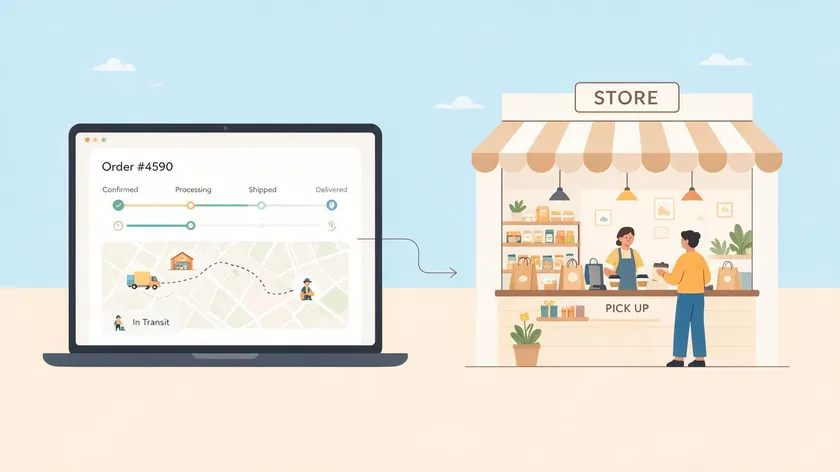
Beyond legal language, the practical step-by-step process for customers to return items and request an exchange heavily influences how fair the policy feels. A confusing exchange process drives customers to chargebacks; a clear one drives customer satisfaction.
Online exchange flow
The ideal online flow starts from the customer’s account or order history page. From there, the customer selects the item, chooses between a refund and an exchange, picks the replacement variant, prints a return label, and ships the original back.
Automated status emails at each stage—initiation, shipment received, and replacement dispatched—keep the customer informed and reduce contact with your customer service team.
In-store exchange flow
For in-store exchanges, the customer brings proof of purchase and the item. Staff inspect the returned merchandise, confirm eligibility, and process the exchange immediately. This flow should address whether a customer can exchange for a completely different product or only a different size or color of the original purchase.
Tools like self-service portals, QR codes on packing slips, and automated notifications make the experience smoother for both channels.
Here is a typical exchange journey:
- Customer initiates a request via account or in-store.
- Business confirms eligibility and stock availability.
- Customer ships or brings in the original item.
- Business inspects returned goods.
- Replacement items are handed over.
- Customer receives confirmation and tracking.
A predictable exchange flow like this one reduces support tickets and repeat inquiries while giving customers the confidence to buy again knowing the process is simple on either channel.
Real-World Exchange Policy Examples: Lulus, Lee, and Famous Footwear

Exchange policies can vary significantly by retailer. These three brands illustrate different but effective approaches. Always verify each brand’s current policy directly on their website, since details like dates, windows, or free return shipping offers can change over time.
Lulus
Lulus offers no-cost exchanges for eligible items within 21 days of delivery for U.S. orders. Customers can swap for the same style in a different size or color, subject to availability. Only one exchange per item is allowed. Final sale items priced under $20 are ineligible.
International orders do not qualify for exchanges—only refunds. The original item must be returned within 10 days of the replacement shipment, or the cost will be charged.
Lee
Lee allows exchanges within 30 days for purchases made on Lee.com. Exchanges must be initiated within 30 days of purchase, items must be in original, unused condition with original tags, and final sale items are excluded.
Size changes can be handled online; color changes require contact with their customer service team. In-store purchases cannot be exchanged online, and vice versa.
Famous Footwear
Famous Footwear stands out with no time limit on in-store exchanges. However, exchanges are available only in store—not by mail. A receipt is preferred, but without one, store credit may be issued.
There is no restocking fee. Mail returns carry a flat fee deducted from the refund, and original shipping charges are non-refundable.
These three examples show different balances between flexibility and business protection. Lulus prioritizes speed and fashion-specific swaps. Lee offers structured, denim-focused rules. Famous Footwear leans into in-store convenience with an open-ended window.
How Exchange Policies Fit into a Broader Return and Refund Framework
An exchange policy rarely exists in isolation. It should be integrated with your overall return and refund policies, shipping terms, and other store pages so customers can find all the information in one place.
The exchange section typically sits alongside clauses about refunds, warranties, damaged or incorrect items, and dispute resolution in a master return and refund policy.
For fashion, footwear, or subscription-box businesses, it can help to maintain a separate “Exchange Information” header within the same document for clarity.
Consistency matters. Make sure promises about return shipping or a restocking fee match what appears on your shipping page, FAQ, and marketing materials. Contradictions between pages erode trust and invite disputes.
To maximize visibility:
- Display return policies in website footers for easy access.
- Include return policy links in customer emails for visibility.
- Post return policies visibly in physical store locations.
- Include return policy highlights on product pages to boost confidence.
In the US, no state requires a return policy to be posted, but providing one is a best practice that builds trust and protects your business. Legal counsel or a policy generator tool can help ensure your exchange language aligns with consumer law obligations without you needing to become a lawyer.
Implementing and Updating Your Exchange Policy with Termify.io Tools
Turning all of the above into a live, maintained policy is easier than writing from scratch. The Termify.io Return and Refund Policy Generator can help you create a customizable document that covers exchanges, refunds, and returns in one coherent framework.
Here is a high-level process for getting started:
- Input your business details (name, address, product types).
- Choose whether to offer exchanges, refunds, or both.
- Configure timeframes, shipping rules, and eligible returns.
- Define exclusions (final sale, digital products, personalized items).
- Generate, review, and publish.
Merchants should review and update their exchange policy regularly—especially after major product line changes, new logistics providers, or peak seasons. Other businesses in your niche are constantly adjusting their policies, and staying current helps you remain competitive.
For complementary coverage, check out Money Back Guarantee Examples to see how guarantees and exchange policies can work together.
Starting with a generator-based template and tailoring it to your own policy is often faster, more reliable, and less expensive than drafting from scratch. You can always customize the language to match your brand voice once the legal framework is in place.
Key Takeaways
A well-crafted exchange policy helps you manage the return or exchange process efficiently while keeping customers completely satisfied. It does not need to be complex—just clear, consistent, and easy to find.
- An exchange keeps revenue in your business; a refund sends money back. Understanding this distinction shapes every policy decision you make.
- Exchange windows typically range from 14 to 60 days. Set yours based on your product type, logistics capabilities, and what other businesses in your category offer.
- Address price differences, store credit rules, and who pays shipping costs upfront to avoid disputes and provide contact information for edge cases.
- Real examples from Lulus, Lee, and Famous Footwear show there is no single “right” approach—the best policy balances customer flexibility with responsible business protection.
- Exchange policies are not legally required for retailers, but having one is a best practice that can help reduce return fraud, attract potential customers, and retain loyal customers in the future.
There’s no universal template that fits every retailer—the right exchange policy balances your margins, your logistics capacity, and how much flexibility your customers expect.
Pair your exchange policy with a complete return and refund policy—get compliant wording built for your business in minutes with the Return and Refund Policy Generator
FAQ: Common Questions About Exchange Policies
Below are focused answers to questions not fully covered in the main body.
Is an exchange policy legally required if I already have a refund policy?
Exchange policies are not legally required for retailers in most jurisdictions. Consumer protection laws tend to focus on refunds for defective or misrepresented goods.
However, offering exchanges is a best-practice addition that can help improve customer satisfaction and reduce the volume of full refund requests. Consider it a revenue-retention tool, not a legal obligation.
Can I offer exchanges but refuse refunds?
Some businesses use exchange-only policies for sale items, gift returns, or clearance merchandise. This is generally permissible, but you should check local consumer law before adopting this model. Many jurisdictions still require refunds for defective products regardless of your stated policy. Provide contact details so customers can reach your team if they believe an exception applies.
How should I treat exchanges for gifts?
Accept a gift receipt as proof of purchase and issue store credit to the recipient rather than refunding the original buyer. This avoids revealing the original purchase price. Make sure your policy explicitly covers gift returns so both the giver and receiver know what to expect.
Do I need a different exchange policy for international orders?
Higher shipping costs, customs fees, and longer transit times often make physical exchanges impractical across borders. Many merchants offer store credit or refunds for international returns instead. If you do accept exchanges, clearly state whether the customer is responsible for return shipping and any duties, and specify that orders must ship from the same country as your warehouse.
How often should I review my exchange policy?
At minimum, review annually. Also update after major changes in your product line, logistics partners, or legal requirements. Seasonal adjustments—like extended holiday windows—should be planned and communicated clearly on your date-specific policy page.