
Any business that collects email addresses for marketing emails or newsletters needs an email marketing privacy policy. It does not matter whether your list has 50 subscribers or 50,000.
The moment you collect an email address, you are collecting personal data, and that triggers obligations under privacy laws, email-conduct rules, and platform requirements.
A clear email marketing privacy policy explains to subscribers exactly what personal data you collect—email address, name, IP address, signup source, engagement data—how you use it, how long you keep it, and how they can unsubscribe or change preferences.
US rules like the CAN-SPAM Act require accurate sender details, a valid physical mailing address, and a simple opt-out in every marketing email. State-level laws and international regulations add further requirements around data collection, consent, and subscriber rights.
This article provides a copy-ready email marketing privacy policy template with sample clauses you can paste directly into your own policy and customize.
It also includes a practical checklist, a comparison table, and guidance on common mistakes so you can draft, publish, and maintain a policy that matches your real email marketing practices.
Table of Contents
- What Is an Email Marketing Privacy Policy?
- Why You Need an Email Marketing Privacy Policy
- Core Subscriber Data You Collect for Email Marketing
- How Email Marketing Tools Collect and Track Personal Data
- Third-Party Email Service Providers as Data Processors
- Legal and Regulatory Background for Email Marketing
- Consent at Signup: Forms, Checkboxes, and Double Opt-In
- Key Elements Your Email Marketing Privacy Policy Must Include
- Copy-Ready Email Marketing Privacy Policy Template
- Template Clause 1: Introduction and Scope
- Template Clause 2: What Personal Data We Collect from Email Subscribers
- Template Clause 3: How We Use Your Email Address and Other Data
- Template Clause 4: Email Tracking, Analytics, and Google Analytics
- Template Clause 5: Sharing Subscriber Data with Service Providers
- Template Clause 6: Unsubscribing, Opt Out, and Email Preferences
- Template Clause 7: How Long We Keep Subscriber Data (Retention)
- Template Clause 8: Your Rights and Choices as an Email Subscriber
- Template Clause 9: How to Contact Us About Email Privacy
- Comparison Table: Subscriber Data Types and What Your Policy Should Say
- Where to Place Your Email Marketing Privacy Policy Link
- Special Cases: Product, SaaS, and Ecommerce Email Flows
- Keeping Your Email Marketing Privacy Policy Up to Date
- Common Mistakes in Email Marketing Privacy Policies
- Key Takeaways
- FAQ
- Do I need a privacy policy to send marketing emails?
- What must an email marketing privacy policy include?
- Is a separate email policy needed or can it sit inside my main privacy policy?
- Do I need to say that I use tracking pixels in marketing emails?
- How long can I keep subscriber data from my email list?
What Is an Email Marketing Privacy Policy?
An email marketing privacy policy—sometimes called an email newsletter privacy policy—is the section of your overall privacy policy that explains how you collect, use, and protect subscribers’ personal data for email campaigns.
It focuses specifically on the data flows tied to marketing emails, newsletters, product updates, and other promotional communications sent to an email list. If your newsletter lives on a blog, our guide to a privacy policy for blog owners also covers comment and ad clauses.
This policy section should address five areas:
- Data collection—what personal information you gather from subscribers.
- Data use—how and why you use that information.
- Data sharing—who service providers or partners receive it.
- Personal information protection—the security measures in place.
- Subscriber choices—how people opt out, manage preferences, or exercise rights.
A privacy policy should include email marketing clauses whenever a business sends commercial email. The email-specific section differs from your general data privacy policy, which covers all data practices across your website, app, and business operations. Think of the email marketing section as a focused subsection within that broader legal document.
For most businesses, the email list privacy policy lives as a dedicated heading inside the main privacy policy rather than as a standalone document. This keeps everything in one place while still giving subscribers a clear, easy-to-find explanation of how their email data is handled.
Why You Need an Email Marketing Privacy Policy

Collecting email addresses is collecting personal data. Even a small mailing list or an occasional newsletter triggers privacy obligations because you are processing personal data—email addresses, names, sometimes IP addresses, and behavioral signals. A privacy policy is legally required in many countries and under several US state laws whenever you collect information from users.
A clear policy for email marketing serves several purposes at once:
- Legal compliance. Under the CAN-SPAM Act, each non-compliant commercial email can carry penalties of up to $53,088, according to the FTC’s CAN-SPAM guide. State laws add their own requirements, and international laws like the General Data Protection Regulation impose fines that can reach €20 million or 4% of worldwide annual turnover for the most serious violations (GDPR Article 83).
- Platform requirements. Many email service providers expect you to have a published privacy policy that discloses tracking, subscriber data uses, and list-management practices before you can use their platform. Missing or vague policies can put your account at risk.
- Subscriber trust. Almost 60% of US consumers prefer data privacy over personalization, according to The Conference Board, which makes transparency a competitive advantage. A clear email marketing privacy policy can help build trust, since subscribers are more willing to engage when they understand your practices.
- Operational clarity. Writing the policy forces you to map your own data collection practices—signup sources, tracking methods, unsubscribe handling—which helps with internal audits and reduces the risk of practices drifting from what you have promised.
Broader topics like overall business-stage requirements and generic publishing locations are handled in the privacy policy for small business article. The sections below focus specifically on what your email marketing privacy policy needs to cover.
If you send campaigns on behalf of clients, a digital marketing agency privacy policy also explains your processor role.
Core Subscriber Data You Collect for Email Marketing
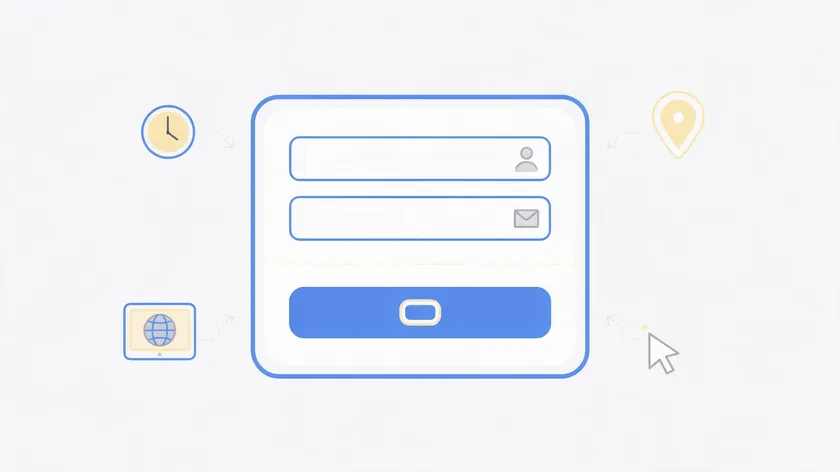
Before drafting any clauses, map the actual data your email marketing platform and related tools collect. This data map becomes the foundation of your email marketing privacy policy—skip this step and you risk under-disclosing or over-disclosing. The policy should clearly distinguish between information subscribers actively provide and data collected automatically through email tracking tools.
Information Subscribers Provide Directly
When someone subscribes, they typically hand over at least their email address. Depending on your forms, you may also collect:
- First and last name
- Company name and job title
- Location or time zone
- Content preferences (e.g., “product updates only” or “weekly digest”)
- Any other profile fields captured in signup forms
Personal data types collected include email addresses and names, and email addresses are considered personal data under GDPR. Your policy needs to list each category explicitly rather than hiding behind vague terms like “contact information.”
Technical and Signup Data Collected Automatically
Your email platform records metadata the moment someone subscribes. Common automatic data collection methods include:
- Signup date and time (timestamp)
- IP address at the point of signup
- Device type and browser details (mobile device, desktop, operating system)
- Signup source—whether the subscriber came from a homepage form, checkout opt-in, lead magnet download, or webinar registration
- Double opt-in confirmation timestamp and token, if applicable
This sign up data collection matters because it documents when and how consent was obtained, which may be critical if your practices are ever questioned.
Engagement and Behavioral Data
Once you start sending email marketing campaigns, your platform generates a stream of behavioral data tied to each subscriber:
- Email opens (recorded via tracking pixels or web beacons)
- Link clicks within the email
- Unsubscribe events
- Spam complaints or abuse reports
- Segmentation tags based on past interactions (e.g., “active buyer,” “inactive 6 months”)
Email tracking involves collecting data on opens, clicks, and interactions. All of these data points should appear in your policy so subscribers understand the full scope of data collected from their engagement with your emails.
How Email Marketing Tools Collect and Track Personal Data
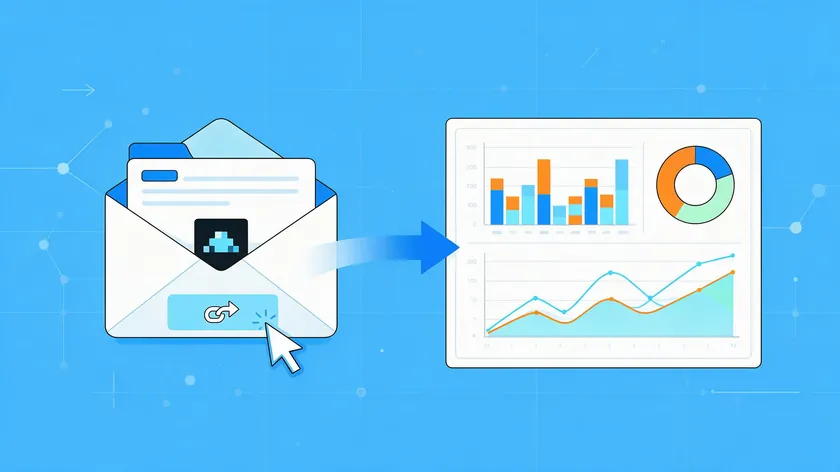
Most email marketing platforms automatically insert tracking pixels and tracked links into marketing emails, generating detailed reports on subscriber behavior. If your email service provider offers open-rate or click-rate reports, tracking is almost certainly active. Your email marketing privacy policy must inform users when these technologies are used.
Tracking Pixels and Open Tracking
A tracking pixel is a tiny, invisible image—often a single transparent 1×1 pixel—embedded in the body of a marketing email. When the subscriber’s email client loads that image, the platform records the event as an “open.” The pixel request can also capture the subscriber’s IP address, approximate location, device type, and the time of the open.
Some email clients block image loading by default, so open tracking is not perfectly accurate. Still, it is one of the most common automatic data collection methods in email marketing, and your policy needs to acknowledge it.
Link Tracking and Click Data
Links inside marketing emails often pass through a redirect URL controlled by your email service provider. When a subscriber clicks, the platform logs the click—recording which link was clicked, when, and by whom—before forwarding the subscriber to the final destination.
Many businesses also append UTM parameters so tools like Google Analytics can track what happens after the click, such as which pages subscribers visit and whether they convert.
What Your Policy Must Say About Email Tracking
If you use tracking pixels, web beacons, or link tracking in your promotional emails, your email marketing privacy policy must say so in plain language. Describe what is tracked, how the data is used (improving campaigns, segmenting lists, measuring performance), and clarify that opting out of marketing emails stops future tracking via new campaigns.
Cookie-specific tracking on your website is a separate topic handled in cookie-related content elsewhere on your site. The email policy section covers only what happens inside the email itself and on the immediate click-through.
Subscribers can opt out of marketing emails at any time. Emphasize in the policy that opting out ends future tracking events, even though historical engagement logs may be retained as described in your retention clause.
Third-Party Email Service Providers as Data Processors

When you use an email service provider, that company processes subscribers’ personal data on your behalf. In privacy-law terms, you are typically the data controller—the one deciding what data to collect and why—and your email service provider acts as a data processor, handling the technical side of storing addresses, sending campaigns, and recording engagement.
Your policy should never name specific vendors. Instead, describe them generically: “our email service provider,” “our newsletter platform,” or “third-party service providers that help us send and analyze marketing emails.”
State in the policy that subscriber personal data is stored and processed in systems operated by your email service provider, and that you have a data processing agreement in place requiring appropriate security measures and confidentiality.
These contracts should limit the provider’s use of subscriber data to only what you authorize—they should not use your list for their own independent marketing.
If your email service provider stores data in other countries, the policy should briefly acknowledge possible international data transfers. International data transfers typically require appropriate safeguards. Detailed rules about cross—border transfers and the General Data Protection Regulation are covered in the GDPR compliant privacy policy guide and do not need to be repeated here.
You remain responsible for how and why subscriber data is used, even when a third-party processor handles the technical data processing. If your email service provider retains data after you delete a subscriber, your policy should note how suppression or deletion works.
Legal and Regulatory Background for Email Marketing
Email marketing is governed both by data privacy laws that regulate personal data collection and by special rules for commercial email conduct. Your email marketing privacy policy must reflect both layers: the obligation to be transparent about data processing efforts and the operational rules around sending commercial electronic messages.
This section stays at a high level. The goal is to understand what the email marketing privacy policy must reflect—clear explanations of consent, opt-out, data use, and subscriber rights—rather than reproducing full statutory text.
CAN-SPAM and US Rules for Commercial Email
The CAN-SPAM Act is the primary US federal law governing commercial email. It does not require prior consent to send marketing emails, but it imposes strict rules on how those emails must behave:
- Accurate header information. The “From,” “To,” and “Reply—To” fields must accurately identify the sender. Misleading routing information is prohibited.
- Honest subject lines. Subject lines must not be deceptive; they must reflect the content of the message.
- Identification as an ad. The message must clearly and conspicuously disclose that it is an advertisement.
- Valid physical postal address. Every marketing email must include the sender’s current, valid physical postal address—a street address, registered P.O. box, or commercial mail-receiving agency address.
- Clear opt-out mechanism. The CAN-SPAM Act requires an unsubscribe link in every email, and that mechanism must be conspicuous and easy to use. You cannot charge a fee, require personally identifiable information beyond an email address, or force the subscriber through unnecessary steps.
- Honor opt-out requests within 10 business days. Once someone opts out, the business must stop sending marketing emails promptly—within 10 business days at most. After that point, you cannot sell or transfer the email address except for compliance purposes.
Each separate non-compliant email can carry penalties of up to $53,088, and more than one company can be held responsible, according to the FTC. The FTC adjusts this figure periodically for inflation.
State anti-spam statutes also apply. California’s Business & Professions Code § 17529.5, for example, prohibits misleading headers or subject lines in commercial emails sent from or to California addresses. CalOPPA mandates a privacy policy for websites collecting personal data from California residents, which includes email addresses collected through signup forms.
GDPR and UK Rules
If your list includes subscribers in the EU or UK, the General Data Protection Regulation and the UK’s data protection laws apply. Email addresses are considered personal data under GDPR, and consent must be clear and affirmative under GDPR; implied consent is not enough.
The GDPR mandates clear, affirmative consent for email marketing, meaning pre-checked boxes or bundled consent do not qualify.
Under GDPR, users can withdraw consent at any time. Noncompliance with GDPR can result in fines of up to €20 million or 4% of annual global turnover, whichever is higher, for the most serious infringements. Subscribers can also ask you to erase their data, subject to the conditions in Article 17.
Detailed guidance on lawful bases, data subject rights, data portability, and data protection officer requirements is covered in the GDPR compliant privacy policy guide.
California and Other State Privacy Laws
State-level privacy laws can give email subscribers additional rights regarding personal information protection. The California Consumer Privacy Act grants consumers the right to know what personal information is collected about them and to request its deletion, and administrative fines can reach $2,663 per violation, or $7,988 for intentional violations and those involving consumers under 16 (2025 amounts, according to the CPPA).
Deeper coverage of CCPA/CPRA thresholds, “Do Not Sell or Share” requirements, and consumer data protection rights is in the California privacy policy template article.
Most data processing laws—whether federal, state, or international—share a common thread: businesses must be transparent about how they collect data, process it, and allow individuals to control their own information. Your email marketing privacy policy should align with these relevant data privacy laws without trying to reproduce every statute.
Consent at Signup: Forms, Checkboxes, and Double Opt-In

Subscriber consent begins at the signup form, and the language shown right next to the email field directly affects legal compliance. How you obtain consent—and how you document it—determines whether your email marketing process stands up to scrutiny.
Signup Form Language and Consent Options
Signup forms should clearly state what type of emails will be sent (newsletters, promotional emails, product updates) and how often, using a plain-language consent statement. For example:
“By subscribing, you agree to receive weekly newsletters and occasional special offers from [Your Business Name]. You can unsubscribe at any time. See our Email Marketing Privacy Policy.”
Best practices for consent options:
- No pre-checked boxes. A pre-checked checkbox is considered non-consent under GDPR and is widely regarded as bad practice even in US contexts. Express consent means the subscriber takes an affirmative action.
- Separate consent for different categories when appropriate—for instance, one checkbox for product updates and another for promotional offers.
- Visible link to the full email marketing privacy policy right next to the subscribe button.
The short privacy statement at the point of collection is often called a “notice at collection.” To understand the distinction between the notice shown at signup and the full policy document, see the explanation of privacy policy vs privacy notice.
Double Opt-In
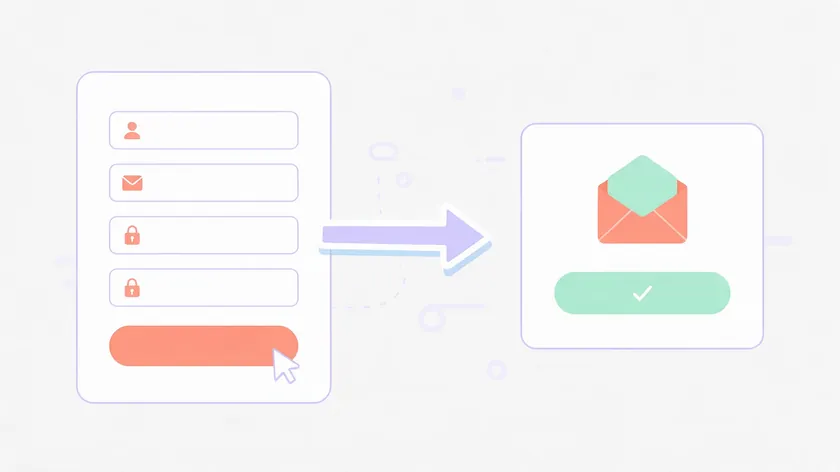
Double opt-in means the subscriber receives a confirmation email after signing up and must click a link in that email before being added to the active list. While not required under CAN-SPAM, double opt-in is highly recommended because it:
- Documents consent with a clear timestamp, IP address, and confirmation token
- Reduces spam complaints and invalid signups
- Tends to improve list quality and engagement
Your policy should mention that you keep records of this confirmation—date, time, IP—as proof of consent for each subscriber.
Withdrawing Consent
The policy should state that subscribers can withdraw consent at any time via the unsubscribe link in any marketing email or by contacting you directly. Users can withdraw consent at any time under GDPR, and this right applies regardless of how the subscriber originally joined the list.
Withdrawal does not affect emails sent before the unsubscribe date. Once a subscriber opts out, you must honor opt-out requests promptly and stop sending promotional emails, but non-marketing communications (like order confirmations or billing notices) may continue under separate legal basis.
Key Elements Your Email Marketing Privacy Policy Must Include

Every email newsletter privacy policy should cover a core set of topics, regardless of business size or industry. Think of this as a checklist—if your policy is missing any of these elements, it has a gap that could create legal or trust issues.
An email marketing privacy policy should include details on data collection. It should also clarify the purpose of data collection and inform users about data usage. Here are the essential elements:
- What personal data you collect from email subscribers (email address, name, IP addresses, signup metadata, engagement data)
- How you use their email address and other data (delivering campaigns, personalization, performance measurement, segmentation)
- What tracking occurs in marketing emails (tracking pixels, link tracking, web beacons)
- When you share subscriber data with third-party service providers like your email service provider or analytics tools
- How users can opt out of marketing emails, update their information, or change preferences (for example, from “all marketing” to “product updates only”)
- Security and retention—describe that you take reasonable security measures to protect subscriber data from unauthorized access and that you only keep it as long as necessary for the purposes described in the policy
- Subscriber rights—how subscribers can request access to, correct, or delete their data
The sections below provide a copy-ready email list privacy policy template with sample clauses for each of these elements.
Copy-Ready Email Marketing Privacy Policy Template

This section provides a full email marketing privacy policy template. Each heading below is a separate clause with specific language you can copy, paste, and customize. Together, they form a complete email marketing section that can be integrated into your existing privacy policy.
The template structure covers: introduction and scope, data collected, data use, tracking and analytics, data sharing, unsubscribe and preferences, retention, subscriber rights, and contact information. You can use these heading names either as standalone sections or as part of a combined website-and-email privacy statement.
Treat this template as a starting point. Where needed, consult legal counsel to adapt it to your own jurisdiction, industry, and risk profile. A more complete, automatically updated policy can be created with the Termify Privacy Policy Generator, but the email marketing section must still mirror your actual practices.
Template Clause 1: Introduction and Scope
This clause tells subscribers what the document covers and who “we” are. Place it near the top of the email marketing section.
Email Marketing Privacy Policy
This Email Marketing Privacy Policy explains how [Your Business Name] collects, uses, and protects personal data when you subscribe to our email list or receive our marketing emails and newsletters. [Your Business Name] is located at [City, State]. We send [weekly tips, product announcements, and special offers / describe your email types] to subscribers who sign up through our website, promotions, or customer accounts.
This section is part of our full Privacy Policy, which covers all of our data practices. For information about how we handle data beyond email marketing, please see our complete Privacy Policy at [link].
Customize the bracketed placeholders with your legal business name, physical mailing address (city and state), and a brief, accurate description of what you send and how often.
Template Clause 2: What Personal Data We Collect from Email Subscribers
This clause should be written in list format, clearly naming each category of personal data with concrete examples.
What Personal Data We Collect
When you subscribe to our marketing emails, we may collect the following information:
- Email address—required to send you our newsletter and promotional emails
- First and last name—used for personalization
- Optional profile information—such as company name, job title, or location, if you choose to provide it
- Communication preferences—the types and frequency of emails you select during signup
We also collect data automatically when you subscribe or interact with our emails:
- Signup metadata—date and time of signup, IP address, device or browser type, and the source of your signup (for example, “homepage form,” “webinar registration,” or “checkout opt-in”)
- Double opt-in confirmation—if applicable, the date, time, and IP address of your email confirmation click
- Engagement data—records of emails sent to you, whether you opened them, which links you clicked, unsubscribe actions, and any complaints or feedback
We do not intentionally collect sensitive personal information through our email signup forms, such as health information or financial account numbers. Please do not send this type of information to us via email.
Adjust the list to reflect exactly what your platform collects. If you do not collect job titles, remove that item.
Template Clause 3: How We Use Your Email Address and Other Data
This clause should list purposes clearly. A good policy clarifies the purpose of data collection.
How We Use Your Data
We use the personal data we collect from email subscribers for the following purposes:
- Delivering the newsletters and marketing emails you requested
- Personalizing content and offers based on your profile and engagement history
- Measuring and improving email campaign performance (such as open rates and click-through rates)
- Managing subscriber segments so we can send more relevant content
- Handling unsubscribe and opt-out requests
- Enforcing acceptable-use rules and preventing abuse or unauthorized access
We do not sell your email address to third parties. We only share subscriber data as described in the “Sharing Subscriber Data” section below.
Further examples of lawful uses and broader data processing purposes can be found in related Termify articles covering your data privacy policy. Those details are not repeated here.
Template Clause 4: Email Tracking, Analytics, and Google Analytics
This clause discloses the use of tracking pixels and link tracking inside marketing emails and how that data may be combined with web analytics tools on linked pages.
Email Tracking and Analytics
Our marketing emails may contain tracking technologies, including small transparent images (sometimes called tracking pixels or web beacons) and tracked links. These technologies help us understand:
- Whether an email was opened
- Which links were clicked
- What actions were taken on our website after clicking a link in an email
When you click links in our emails, we may use analytics tools such as Google Analytics on the linked pages to understand aggregated trends, such as which content topics drive the most interest. More details about cookies and website analytics are available in our cookie-related policy sections.
We use this data to understand what topics subscribers find useful, improve future email marketing campaigns, and avoid sending irrelevant messages.
You can opt out of marketing emails at any time using the unsubscribe link in any email. Opting out stops new tracking events from being created for future campaigns. Historical engagement logs may be retained, as explained in our Retention section below.
Template Clause 5: Sharing Subscriber Data with Service Providers
A privacy policy should describe data sharing with third-party providers. This clause explains who else has access to subscriber data and under what conditions.
Sharing Subscriber Data with Service Providers
We share subscribers’ personal data with carefully selected third-party service providers who help us send and analyze marketing emails or host related systems. These providers operate under contracts that limit their use of your data to the services they perform on our behalf. We do not authorize service providers to use subscriber information for their own independent marketing purposes.
These providers may store data in the United States or other countries and are required to implement reasonable security measures to protect subscriber information from unauthorized access.
We may also share subscriber data if required by law, in response to valid legal requests, or to protect the rights, property, or safety of [Your Business Name] or others. We do not sell subscriber data to third-party advertisers.
Template Clause 6: Unsubscribing, Opt Out, and Email Preferences
This clause should be very practical, explaining exactly how a subscriber can stop marketing emails and how quickly requests are honored.
Unsubscribing and Email Preferences
Every marketing email we send contains a clearly labeled “Unsubscribe” or “Manage Preferences” link. You can use this link at any time to stop receiving marketing communications or to adjust the types of emails you receive.
Unsubscribe requests are processed promptly and, in any case, within 10 business days, consistent with the CAN-SPAM Act requirements. Users can opt out of marketing emails at any time.
Unsubscribing from marketing emails does not affect important non-marketing messages, such as account notices, billing communications, or direct responses to your inquiries.
If the unsubscribe link is not working, you can contact us at [your privacy email address] to request that we update your preferences or remove you from our marketing list. We will honor your request promptly.
The 10-business-day window comes from the FTC’s CAN-SPAM compliance guide, which also explains the other opt-out rules in more detail.
Template Clause 7: How Long We Keep Subscriber Data (Retention)
This clause describes how long email list data and related logs are kept. Use practical timeframes rather than vague “as long as necessary” language alone. A good policy also explains how long data is kept, including after someone unsubscribes.
Data Retention
We retain active subscribers’ personal data for as long as they continue to receive our marketing emails. If a subscriber has not interacted with our emails for an extended period (for example, 24–36 months), we may send a re-permission request or remove them from our active list.
Note: The 24–36 month timeframe above is an illustrative example, not a legal standard. Set a retention period that reflects your actual business practices.
After you unsubscribe, we retain basic records of your opt-out request in a suppression list to make sure you are not accidentally emailed again. We maintain our suppression list for as long as necessary to prevent re-mailing.
Aggregated or de-identified analytics data, which no longer identifies individual subscribers, may be retained for longer periods to help track long-term campaign performance.
If you have questions about specific retention periods for your data, please contact us using the details in the Contact section below.
Template Clause 8: Your Rights and Choices as an Email Subscriber
A good policy tells subscribers about their rights regarding personal data. This clause provides a simple summary without restating entire legal frameworks.
Your Rights and Choices
Depending on where you live and applicable data privacy laws, you may have certain rights regarding the personal data we hold about you as an email subscriber. These may include the right to:
- Request access to the personal data we hold about you
- Request correction of inaccurate information
- Request deletion of your email marketing data
- Restrict processing of your data in certain circumstances
- Request data portability where applicable
Under the GDPR, you may have the right to ask us to erase your data, subject to certain conditions. Under the California Consumer Privacy Act, you may also have rights to know what consumer data we have collected and to request its deletion.
You always have the right to opt out of marketing emails, even if other uses of your data (such as fulfilling orders or providing customer support) continue under our main Privacy Policy.
For a complete description of your rights under specific laws, please see our full Privacy Policy. We will respond to reasonable privacy requests within the timeframe required by applicable law and may verify your identity before making sensitive changes to your account.
Template Clause 9: How to Contact Us About Email Privacy
This clause gives subscribers a direct way to raise questions or complaints about marketing emails or list data.
Contact Us
If you have questions about this Email Marketing Privacy Policy, your personal data, or how to exercise your rights regarding our marketing communications, please contact us:
- Email: [your privacy email address]
- Mail: [Your Business Name], [Street Address or P.O. Box], [City, State, ZIP]
- Phone: [phone number, if appropriate]
If [Your Business Name] has a dedicated privacy contact or data protection officer, you may also direct inquiries to that role.
Keep this section concise and easy to scan. Subscribers should be able to find your contact details quickly, whether they are reading the policy on your website or looking it up from a link in an email footer.
Comparison Table: Subscriber Data Types and What Your Policy Should Say
The table below helps you align each type of subscriber data with the required disclosures in your email marketing privacy policy. Use it as a drafting aid and as an annual audit checklist.
| Subscriber Data Type | Why You Collect It | What the Policy Should Say | Common Mistake to Avoid |
|---|---|---|---|
| Email address | Required to send marketing emails and identify the subscriber | “We collect your email address to send our newsletter and promotional emails.” | Saying “we collect contact information” without specifying that email is the primary identifier. |
| Name | Personalization, segmentation, addressing the subscriber | “We collect your first and last name to personalize our emails and segment our list.” | Collecting name data but not disclosing it, or listing it only as “other information.” |
| IP address and signup timestamp | Security, geographic compliance, proof of consent | “We record your IP address and the date/time of signup to document consent and support security.” | Leaving out signup source or merging signup metadata with behavioral data without distinction. |
| Engagement metrics (opens, clicks) | Measuring email performance, improving content, segmentation | “We use tracking pixels and link tracking to measure open rates and clicks.” | Claiming “we don’t track you” while your email service provider embeds tracking pixels by default. |
| Unsubscribe / suppression list entries | Honoring opt-out requests, preventing accidental re-mailing | “We retain suppression data to make sure you won’t receive marketing emails after unsubscribing.” | Forgetting to mention that unsubscribed email addresses are stored specifically to prevent future sends. |
This table can double as an internal checklist when reviewing or auditing the email marketing privacy policy each year.
Where to Place Your Email Marketing Privacy Policy Link

Even a thoroughly drafted policy is ineffective if subscribers never see it. Email-specific placement is the key—subscribers should encounter the policy link at the moments that matter most: when they sign up and when they receive emails.
More general guidance on where to publish a privacy policy across your website is available in the privacy policy for small business article, so this section focuses on email-specific touchpoints.
Signup Forms and Point of Collection
Link to the email marketing privacy policy right next to the email field or consent checkbox on every form where you collect email addresses—homepage forms, landing pages, in-app signup flows, webinar registrations, and checkout opt-ins.
Include a short privacy notice at the point of collection. For example:
“By subscribing, you agree to receive marketing emails as described in our Email Marketing Privacy Policy.”
This notice serves as a summary of what the subscriber is agreeing to. For more on the distinction between the notice shown at signup and the full policy document, see the explanation of privacy policy vs privacy notice.
Marketing Email Footers
Every marketing email should have a footer area containing both an unsubscribe link and a link to the full privacy policy. This makes it easy for subscribers to review the details at any time, directly from the email they just received.
The footer should also include the sender’s identity, a valid physical postal address (as required by CAN-SPAM), and any other disclosures your jurisdiction requires. This placement ensures legal compliance and gives subscribers confidence that you take privacy seriously.
Special Cases: Product, SaaS, and Ecommerce Email Flows
Some businesses send emails tied directly to their product or store, which may require slightly different disclosures inside the broader email list privacy policy template.
Regardless of the specific flow—onboarding drip, post-purchase follow-up, or loyalty program message—keep the email marketing section consistent so subscribers see the same practices and promises no matter how they joined the list.
SaaS Onboarding and Product Emails
SaaS businesses often send onboarding tips, feature announcements, or usage summaries that blend service information with promotional content. If those emails include marketing elements, they should align with the email marketing privacy policy.
Guidance on controller and processor roles, sub-processor networks, and product-specific disclosures is covered in the SaaS privacy policy article.
Online Store Promotional and Post-Purchase Emails
Online stores frequently run promotional campaigns, post-purchase follow-ups, and loyalty program messages tied to the email marketing process. Deeper coverage of checkout data, store-specific tracking, and related consent requirements is in the online store privacy policy content.
Abandoned—cart emails and SMS marketing have their own consent and disclosure nuances, which are also addressed in that article rather than here.
Keeping Your Email Marketing Privacy Policy Up to Date

Email tools and tactics change frequently. New segmentation features, automation workflows, and tracking technologies appear regularly. Treat the email marketing privacy policy as a living legal document rather than a one-time project.
Review the policy at least once per year, and also whenever the business introduces major changes—such as switching email service providers, adding new tracking technologies, or significantly altering data sharing arrangements.
Include a “Last updated” date at the top or bottom of the policy section so subscribers know when it was most recently reviewed. Stating the effective date and informing users of changes is a basic transparency practice under most privacy laws.
When material changes are made, such as starting to use new types of trackers or expanding data sharing with new processors, the business should notify subscribers. An in-email notice, a brief banner on the website, or a dedicated update announcement all work.
Keep internal notes of what changed—an update log with dates, descriptions, and reasons. This log helps with future audits or legal inquiries, even if it is not published publicly. Maintaining this kind of documentation supports your ability to maintain compliance over time.
Common Mistakes in Email Marketing Privacy Policies
Many businesses rely heavily on email marketing but overlook or misunderstand a few recurring issues that can lead to complaints, enforcement actions, or loss of subscriber trust. Using a structured email list privacy policy template, plus a regular annual review, can help avoid most of these problems.
Vague Data Collection and Missing Tracking Disclosure
The most common mistake is describing data collection in generic terms—saying “we collect contact information” without specifying that you collect email addresses, names, IP addresses, and engagement data. Equally problematic is failing to mention tracking pixels or link tracking in marketing emails, especially when your email service provider embeds those technologies by default.
Copying a generic email privacy policy example that does not match your actual data collection practices creates a policy gap. If your real-world data collection practices include tracking opens and clicks, the policy must say so. Claiming “we don’t track” while using behavioral data is a compliance and credibility risk.
Hard-to-Find Unsubscribe and Opt-Out Language
Hiding unsubscribe links, requiring logins to unsubscribe, or burying opt-out instructions in fine print are all avoidable mistakes. Your policy should clearly state how subscribers can opt out and how quickly those requests are honored.
Under CAN-SPAM, unsubscribe requests must be processed within 10 business days—but failing to mention this in the policy leaves subscribers uncertain about what to expect.
Do not make unsubscribing harder than subscribing. The path to opt out should be one or two clicks at most, and the policy should describe this clearly.
Under-Disclosing Third-Party Involvement
Many businesses fail to tell subscribers that their data is stored with an email service provider, routed through analytics tools, or shared with other third-party service providers used to measure or deliver campaigns.
The policy should describe these relationships at a category level—who processes the data, what contractual safeguards are in place, and whether data may be stored outside the subscriber’s home country.
Under disclosure of third-party involvement can be a source of regulatory complaints and subscriber privacy concerns. A single sentence naming the category of provider and the purpose of data sharing goes a long way.
Key Takeaways
A clear, accurate email marketing privacy policy is essential because it documents your email data practices, supports legal compliance, and builds trust with subscribers. Every business that sends marketing emails—regardless of list size—should have one.
- Any business collecting email addresses, names, or behavioral data for email marketing campaigns needs an email marketing privacy policy that explains data collection, tracking, sharing, and how users can opt out.
- The policy must tell subscribers exactly what personal data you collect (email, name, IP, signup source, engagement data), how you use it, how long you keep it, and how they can unsubscribe or change preferences.
- US rules like the CAN-SPAM Act require accurate sender details, a valid physical mailing address, and a simple opt-out in every marketing email. International laws like the General Data Protection Regulation add consent and rights requirements.
- The policy must list exactly what subscriber personal data you collect, describe how marketing emails and tracking work, disclose your email service providers, and give simple, reliable ways to unsubscribe or change preferences.
- Adapt the copy-ready template clauses so they match your actual tools, retention periods, and legal obligations—do not copy them unchanged.
- Follow a simple action plan: map current email data flows, customize the template with concrete details and dates, publish the updated policy, and schedule an annual review.
- This article provides a copy-ready email marketing privacy policy template with sample clauses and a practical checklist so you can adapt it quickly.
To turn this template into a complete policy, try the Termify Privacy Policy Generator. It asks guided questions about how you collect and use personal data, including for email campaigns, so the result matches your real practices.
FAQ
Do I need a privacy policy to send marketing emails?
If your business collects email addresses or other personal data to send marketing emails or newsletters, you should have a privacy policy that covers email marketing. Many email platforms require a published policy, and both US and international laws expect or mandate one.
Even very small lists or infrequent campaigns still involve personal data collection, so relying on “informal” emails without a policy is risky. The policy can be a section of your main website privacy policy rather than a separate document, as long as the email marketing practices are clearly described.
Link to this policy wherever you collect email addresses and in the footer of your marketing emails.
What must an email marketing privacy policy include?
At a minimum, it should describe what subscriber data you collect, how you use it, what tracking you run inside emails (such as tracking pixels and link clicks), whether you share data with email service providers, and how subscribers can unsubscribe or change preferences.
It should also explain how long you keep subscriber data, whether you retain suppression lists after someone unsubscribes, and what rights subscribers have to request access to or deletion of their data. Optional extras include describing segmentation, personalization, and high-level security practices—as long as they reflect what the business actually does.
Refer to the template clauses in this article for copy-ready wording you can adapt.
Is a separate email policy needed or can it sit inside my main privacy policy?
In most cases, it is acceptable and often preferred to place the email marketing privacy policy as a dedicated section within the main privacy policy, rather than creating a standalone email document.
The key requirement is clarity: subscribers must be able to easily find and understand the parts of the policy that apply to email marketing and newsletters. Use a clear heading like “Email Marketing and Newsletters” in the main policy so it is easy to navigate.
Separate email policies are usually reserved for very large organizations with complex, multi-brand communication programs.
Do I need to say that I use tracking pixels in marketing emails?
If your business uses tracking pixels, web beacons, or similar tools to log opens or clicks in marketing emails, the email marketing privacy policy should explicitly disclose this in simple language. Subscribers should be told what is tracked—for example, that you record whether emails are opened and which links are clicked—and how you use that information to improve campaigns.
Technical details like file names or code snippets are not necessary; what matters is clearly describing the effect of the tracking on the subscriber. Include a short note explaining that subscribers can opt out of marketing emails if they do not wish to be tracked in this way.
How long can I keep subscriber data from my email list?
There is no single universal deadline, but best practice is to keep subscriber data only as long as it is needed for the marketing purposes described in the policy and any legal record-keeping requirements.
Consider running inactive-subscriber deletion or re-permissioning campaigns after a set period—for example, 18–24 months of no engagement—and reflect your chosen approach in the policy. Basic records of unsubscribe requests may need to be kept indefinitely in suppression lists so that unsubscribed contacts are not accidentally emailed again.
Document your retention rules internally and update the policy if those rules change over time.